
- Все
- Экономика и бизнес
- Промышленность
- СМИ и индустрия развлечений
- Издательская деятельность и журналистика
Бесплатный фрагмент - Seychelles. 1000 treasures
Mon Kontan
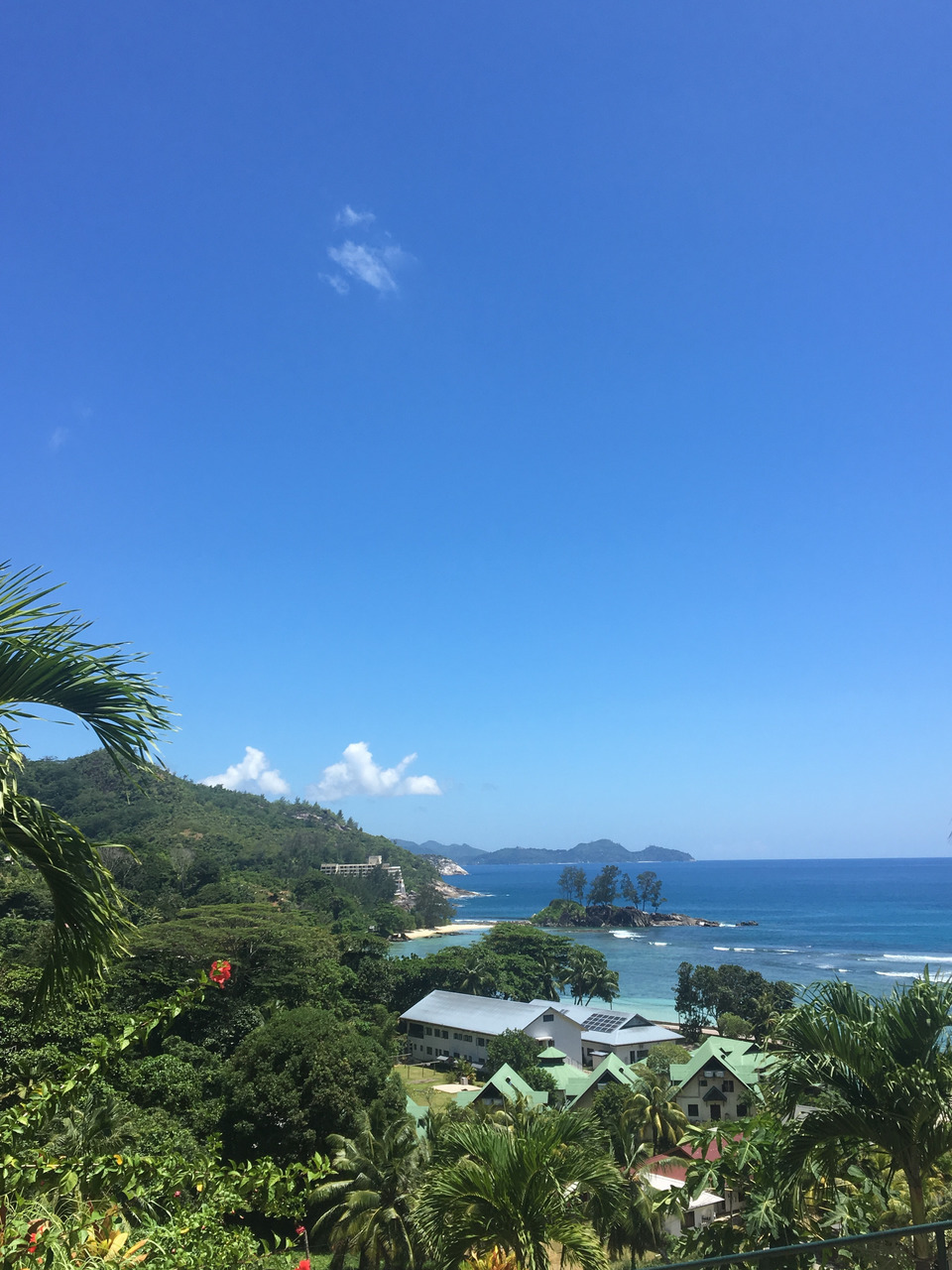
Introduction
Bonzour!
One evening, a rather worn-out world map lay on the author’s desk.
Yes, this was still the era before iPhones.
After a long working day, waiting for the traffic to thin out, fatigue mixed with a rare moment of idleness, I decided to turn it into a small game and asked myself:
Which country could one day play a special role in my life and change it profoundly?
I turned away, closed my eyes, and pointed at the map.
My finger landed on a small stretch of land in the ocean, marked in fine print:
“Seychelles. Victoria.”
That evening, I could not have imagined the role these islands would soon play in my professional life.
Nor how many remarkable people from all over the world I would come to know thanks to Seychelles.
How much energy and inspiration each visit would bring, as I kept discovering the islands again and again.
And certainly, the thought never crossed my mind that one day I would begin writing this book.
The only bad news is that since then, I have not found another place that surpasses Seychelles in terms of natural beauty — although I am not someone who believes in ranking countries, cities, or islands.
Their charm lies precisely in the fact that they are all different.
“There is something magnetic about it,” an emotional traveler would say.
“It is a unique combination of elements that does not exist anywhere else,” an analytical mind would observe.
Both would be right.
For more than seventeen years now, my life and my profession have been closely intertwined with this country, which has effectively become my second home sweet home.
Over the years, I have been welcomed into many Seychellois homes.
I have seen Seychelles from within and through the eyes of very different people: friends who have become almost family; colleagues and business partners; chance encounters and everyday companions — drivers, diving instructors, entrepreneurs, chefs, politicians, gardeners, hotel general managers, waiters, bankers, fishermen, appliance repair technicians, customs officers, schoolchildren, police officers, musicians, petrol station attendants, guides, pilots, journalists, architects, casino players, pharmacists, street mango vendors, massage therapists, captains, builders, plumbers, artists, airport porters.
Curiosity, and a sincere interest in people — their lives, their brief remarks and long stories — became an endless source of information, questions and answers, new impressions, and ideas.
I never intended this book to be a traditional guidebook.
Seychelles is far too multifaceted for that.
Instead, this book is a navigator — one that helps you chart a route that suits you personally.
Among the topics it explores are:
1. Seychelles is more than just palm trees and sand.
2. Travel here does not have to cost as much as a car.
3. Travelers’ impressions and assessments — including those who have visited more than 150 countries: why do they consider these islands one of the most rewarding destinations?
4. How to optimize expenses and get the best value for money.
5. A wedding and honeymoon in Seychelles — two in one — often costs less than what is typically spent at home. And why not celebrate an anniversary here as well?
6. Is it really impossible to get bored in Seychelles?
7. Bounty beaches and surf beaches: how not to get lost in the seasons and find your ideal one.
8. Cruises and expeditions to remote places: where to find the most active marlins and dolphins, shipwrecks, and pirate legends. What gift do you give someone who is usually impossible to surprise?
9. Hotels for €70 per night and hotels for €12,000 per night — what do they actually offer?
10. Seychelles and the Maldives: pros and cons.
11. How to invest wisely in real estate in Seychelles.
12. Which restaurants are truly worth visiting.
Who is this book for?
For those traveling abroad for the first time.
For experienced travelers with an impressive list of countries behind them.
For those who have been to Seychelles more than once.
And for those who have either fallen in love with these islands — or, on the contrary, never quite understood them.
Treasure Islands
Ten Reasons to Visit the Seychelles
1. Some of the most beautiful beaches in the world, consistently featured in global rankings.
Fine white sand, soft as flour. Crystal-clear waters framed by granite boulders.
Some things truly defy description.
2. Thanks to their unique location, the Seychelles offer year-round travel.
Air temperatures remain between 27–30°C, while the ocean stays at a comfortable 26–28°C.
3. A wide variety of leisure and outdoor activities.
Lush green mountains rise up to 1,000 meters above sea level, creating landscapes reminiscent of botanical gardens.
The islands offer excellent opportunities for hiking, cycling, and even horseback riding.
4. Creole cuisine at its finest.
A rich culinary tradition shaped by Asian, European, and African influences — including locally produced rum.
5. An exceptionally diverse marine world has made the Seychelles a favorite destination for divers, snorkeling enthusiasts, and those in search of pristine beaches.
6. Well-maintained roads, cleanliness, and a high level of safety at any time of day — not only within hotel grounds.
The Seychelles enjoy one of the highest standards of living on the African continent.
7. Unique flora and fauna.
Many bird species and plants found here exist nowhere else in the world.
At the same time, there are no dangerous animals or insects.
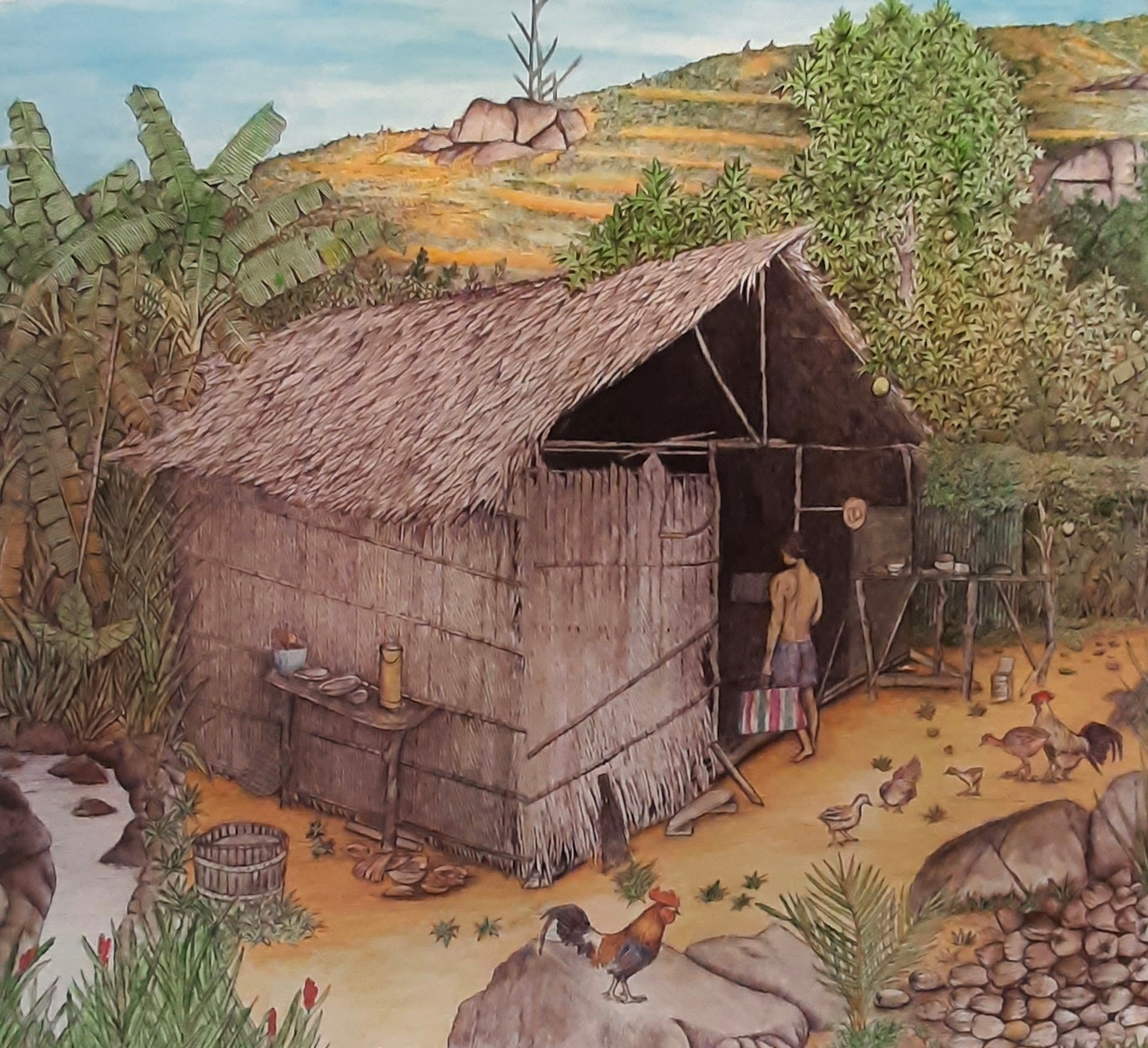
8. A sense of complete relaxation.
The islands offer tranquillity and privacy.
Mass tourism is absent, making it easy to find beaches where solitude is still possible.
9. A wide range of accommodation options to suit different preferences and budgets.
10. The opportunity to combine two, three, or even four islands in a single trip — often at a cost comparable to staying on just one.
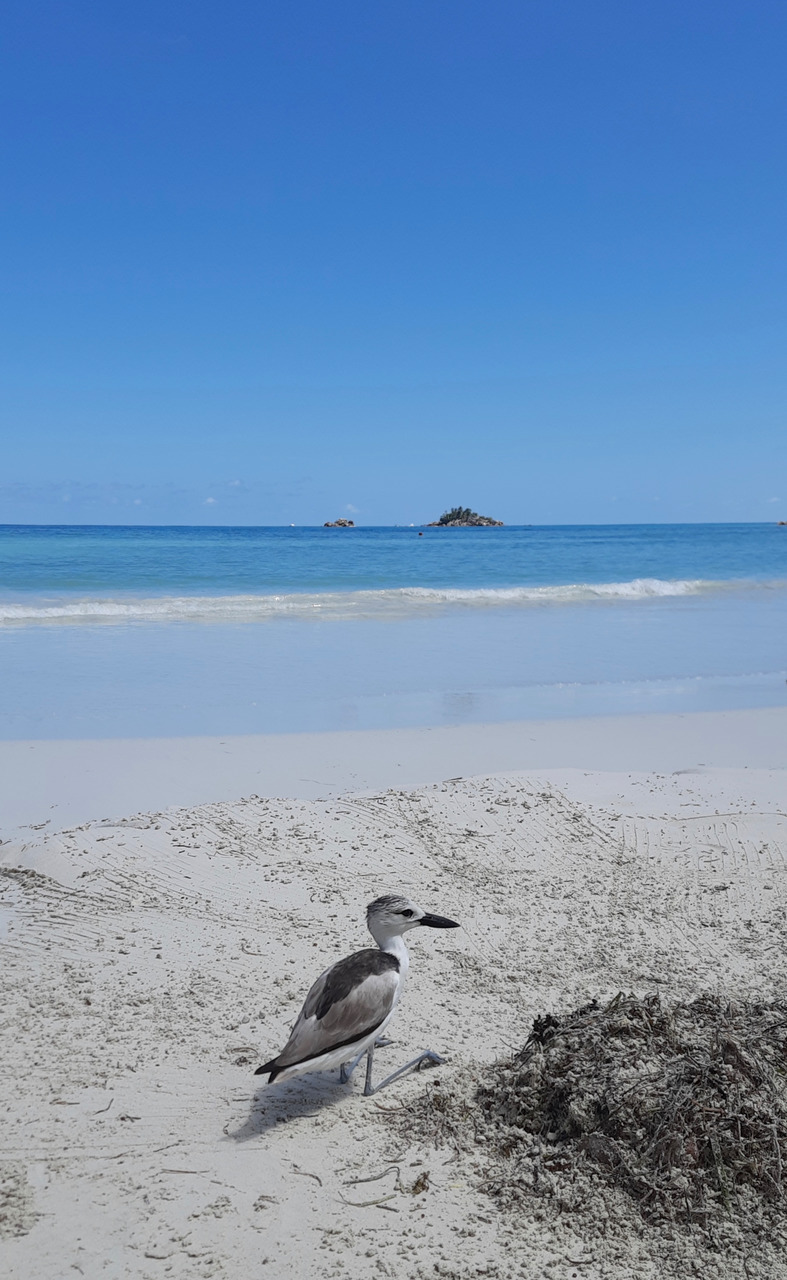
Treasure Map
Let us look at the African continent, then move our eyes eastward to the island of Madagascar. From there, measure roughly 1,600 kilometres to the northeast. Those tiny dots scattered across the ocean are the Seychelles Archipelago.
It consists of 115 islands, conventionally grouped into four clusters: the Granitic Islands, the Amirantes, Aldabra, and Farquhar.
The total land area is 455 km², while the exclusive economic zone stretches across 1.3 million km² of the ocean.
The highest point is Morne Seychellois (905 metres) on the island of Mahé.
The capital, Victoria, is home to approximately 30,000 residents.
From a geological perspective, the islands are divided into granitic and coral, while geographically they are classified as Inner and Outer Islands.
The largest islands rise above the ocean like fairy-tale gardens. Formed of granite and covered in lush tropical vegetation, they include Mahé (the main island of the archipelago), Praslin, La Digue, Silhouette, and several others located within 50–70 kilometres of Mahé. This is also where most of the population is concentrated.
The coral islands, by contrast, are atolls rising only 4–8 metres above sea level.
The climate allows for travel throughout the year. There is no exhausting heat and no abrupt temperature fluctuations — variations usually remain within 2–4 degrees at most.
The Seychelles experience two seasons: a warmer and a relatively cooler one. From December to May, average air temperatures range between 29–31°C, while during the cooler period they stay around 26–28°C.
While working on this book, I often asked people close to me — friends and travellers with very different backgrounds — what they would most like to read about Seychelles. What interested them first and foremost?
One of the most frequently raised questions concerned transport.
When we think of islands, questions naturally arise about land transport and the ways of moving between them. The Seychelles have no railway system, but all other forms of transport are represented in considerable variety.
On the main islands, such as Mahé and Praslin, visitors can rent a car. This option is best suited to those who feel confident driving on narrow mountain roads and are comfortable with left-hand traffic. Road conditions are generally very good.
A car with a driver can be an excellent choice for those who prefer to relax and not think about driving at all.
Taxis, on the other hand, are the most expensive option.
Public buses on Mahé and Praslin operate on a fixed schedule and remain the most budget-friendly means of transport. It is possible to travel around most of the island this way, although some locations are not covered by bus routes and require access by car or on foot.
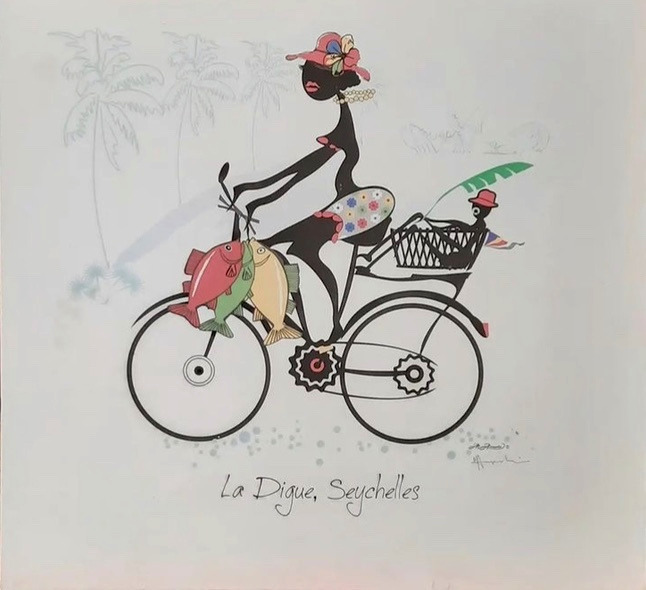
La Digue is a paradise for cyclists — bicycles remain the main mode of transport on this charming island.
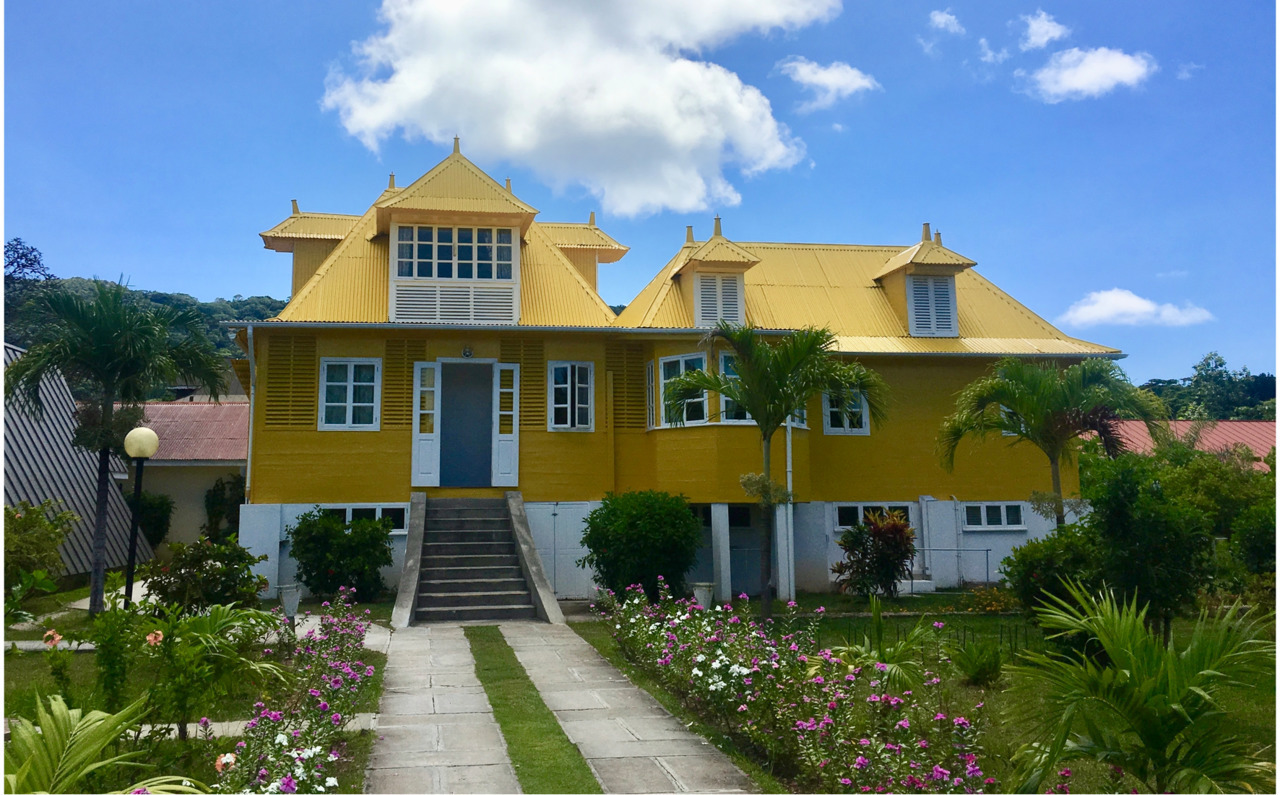
Inter-island travel is available by scheduled and charter flights, ferries, speedboats, yachts, catamarans, and even helicopters.
The transport infrastructure of the Seychelles has its own particularities, which are important to consider when planning a trip.
The good news is that travel between the most popular islands does not require significant expense. Visiting more remote atolls will cost more, but remains accessible and certainly does not cost “like a Boeing wing.”
Another recurring question from future readers concerned the beaches:
Which ones should be visited? Which are the most beautiful?
The Seychelles are home to countless stunning beaches, small beaches, coves, and bays — each suited to different moods, purposes, and routes. To list and describe every single one in detail would require another book — perhaps more than one. I will therefore focus on the key locations, although I resisted the idea of compressing each beach into just a few paragraphs for quite some time.
All beaches in the Seychelles are public. This means that even if you are not staying at a particular hotel, you always have the right to access its beach, as well as any other.
Sun loungers are a separate matter: some hotels allow their use, while others may charge a fee or reserve them exclusively for guests.
Beau Vallon
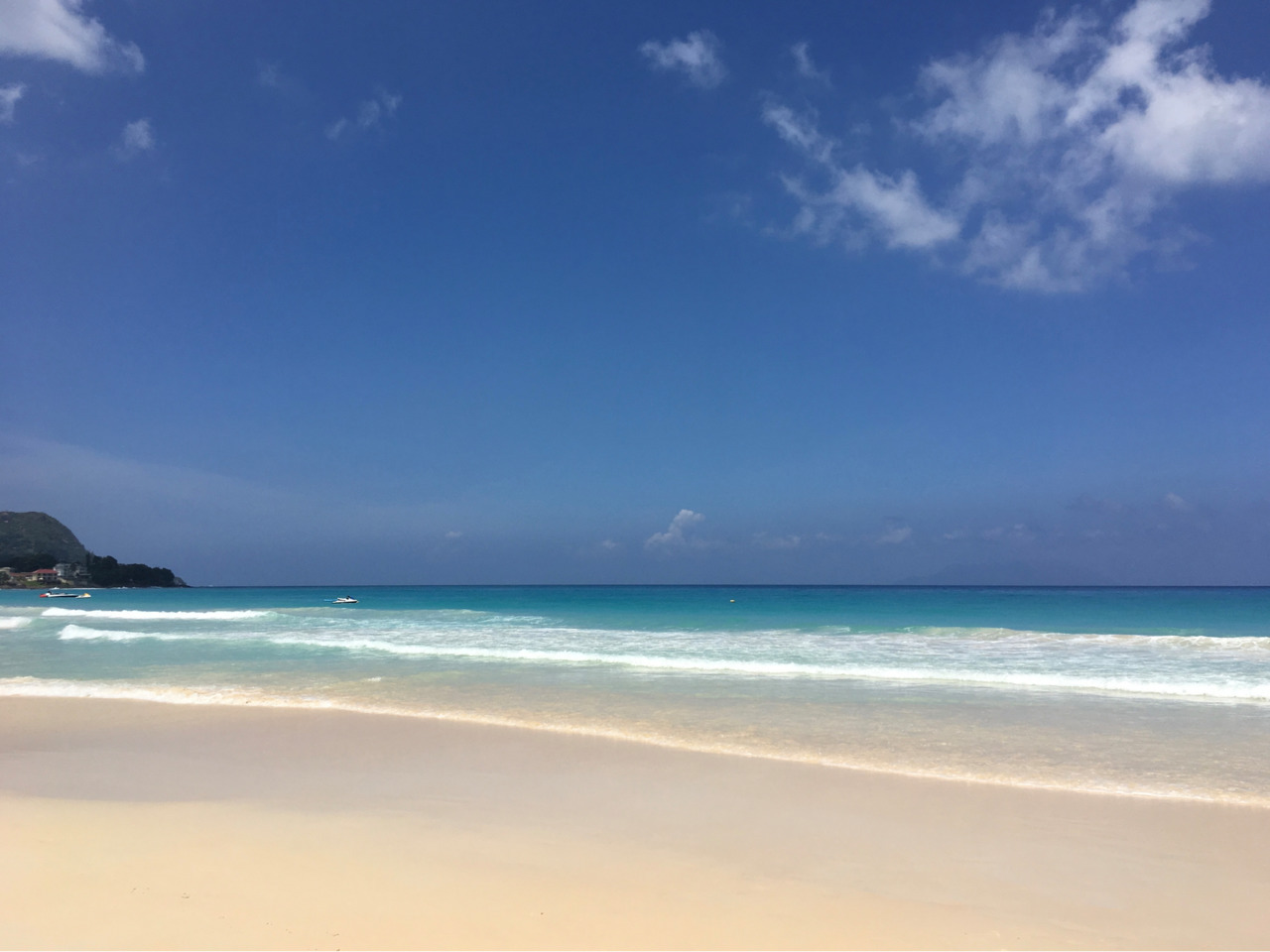
Located in the northern part of Mahé, Beau Vallon is the island’s most popular beach and one of the best for swimming. It is given a dedicated chapter in this book.
Strictly speaking, Beau Vallon is a wide stretch of white sand extending over three kilometres, equipped to a very high standard. Here, everything is possible: morning jogs, sunbathing, swimming, water sports, relaxed dining, socialising — and admiring some of the most beautiful sunsets on the island.
Anse Intendance
Perhaps Beau Vallon’s main rival in the south of Mahé.
Anse Intendance is often described as the most beautiful beach on the island and one of the most impressive across the entire archipelago.
The beach curves in a 700-metre-long arc of white and emerald tones, framed by coconut palms. There is no coral reef here, which allows for large waves — a feature particularly appreciated by surfers. At times, waves can reach up to four metres in height.
Anse Intendance is known for its changing moods. Its energy and beauty are striking, but strong currents make swimming dangerous from May to September.
Be sure to include a picnic here — or at least a visit for photographs.
Sunset Beach
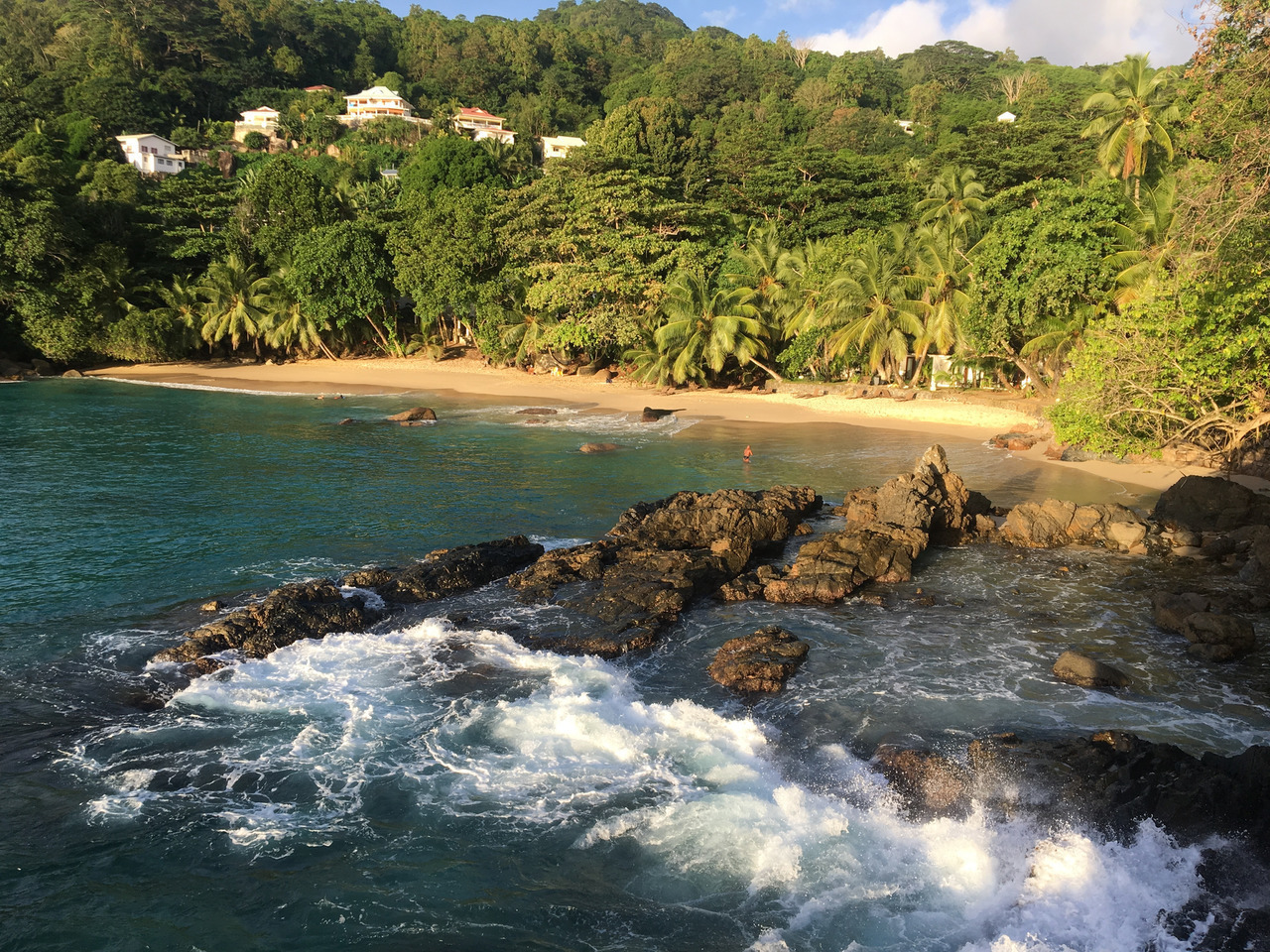
Situated on the north-western coast of Mahé, Sunset Beach is one of the most “postcard-perfect” beaches in the most literal sense.
The beautiful bay is ideal for swimming, snorkelling, and stunning photography. Children should be supervised, as the depth increases quite quickly.
The name speaks for itself: sunsets here are truly spectacular. Every evening, the sky puts on a vivid performance, changing colours one after another.
Port Launay
A bay located within a marine reserve, Port Launay is one of the best beaches on Mahé for swimming — especially with small children. The beach is protected by granite rocks on both sides, making it an ideal choice for those who dislike waves altogether.
Anse Royale
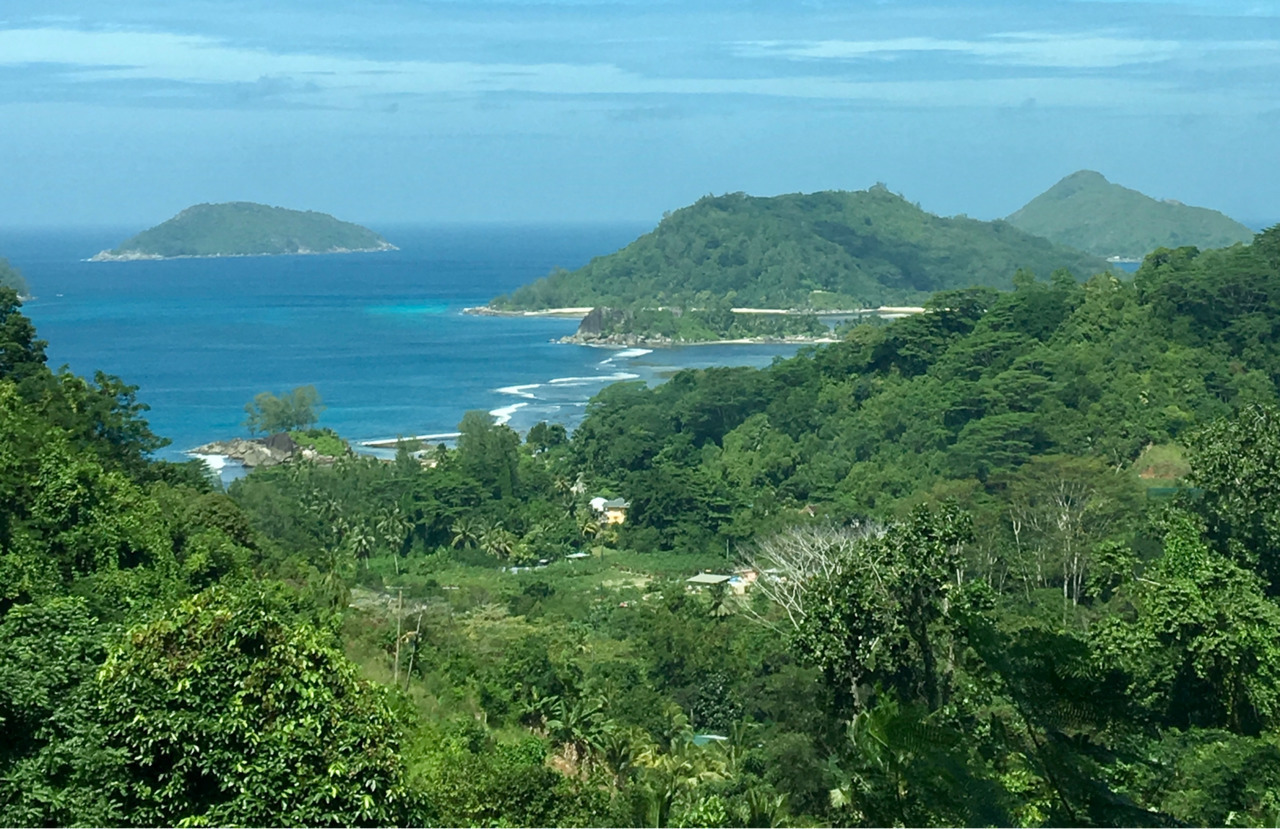
Anse Royale is the longest beach on the south-eastern coast of Mahé and one of the most popular.
It is well protected by a coral reef, shielding it from strong currents and waves. From here, you can enjoy views of the small island Île Souris — and even swim out to it. The area is perfectly suited for snorkelling.
Nearby facilities include restaurants, small shops, a bank, fuel stations, and a market selling fresh fish.
Anse Major
This unique beach can only be reached on foot. The round trip takes about three hours, which is why most visitors choose to organise a picnic and spend at least half a day here — if not longer. Leaving is rarely easy.
Located on the north-eastern coast of Mahé, Anse Major is a beautiful and safe beach for swimming. The panoramic views along the hiking trail are breathtaking. For those who prefer not to walk, boat trips are also available.
Côte d’Or (Praslin)
Located on the northern coast of Praslin, the name translates from French as “Golden Shore.”
This is the island’s main beach, home to hotels, guesthouses, bars, restaurants, diving centres, shops, and more. It can be loosely compared to Beau Vallon, though here the water is calm and shallow near the shore.
A little further out, near St. Pierre Islet, conditions are ideal for snorkelling.
Anse Georgette
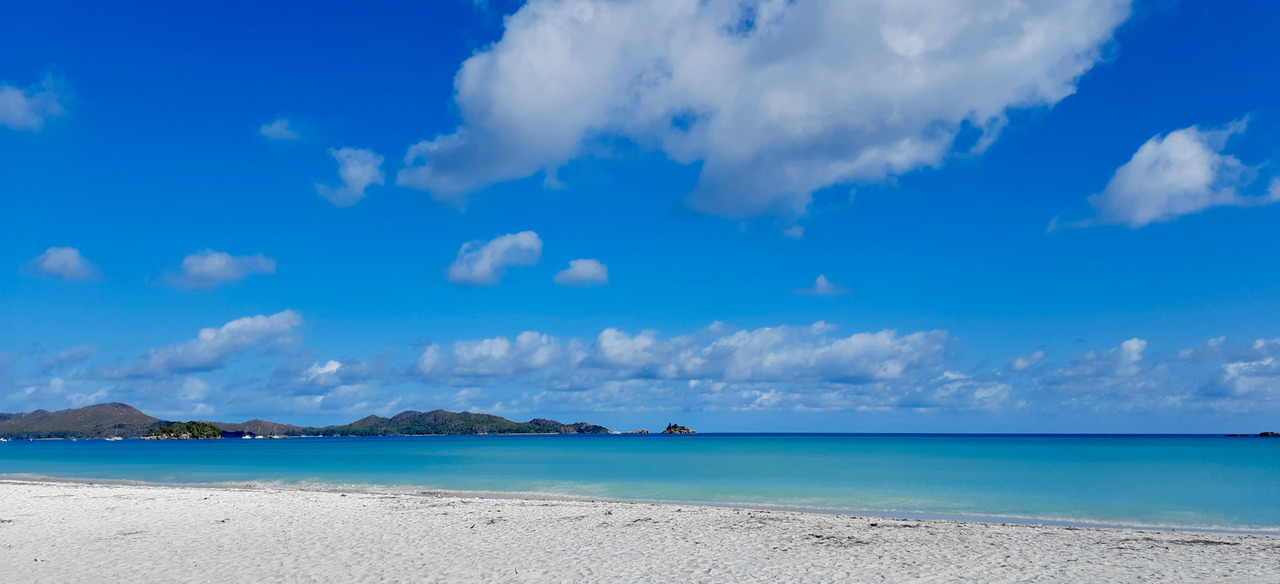
Often described as the most beautiful beach on Praslin and one of the finest in the Seychelles. Soft white sand, bright turquoise water, and excellent swimming conditions make it unforgettable.
The bay lies within the grounds of the Lemuria Resort, but access is possible even for those not staying at the hotel.
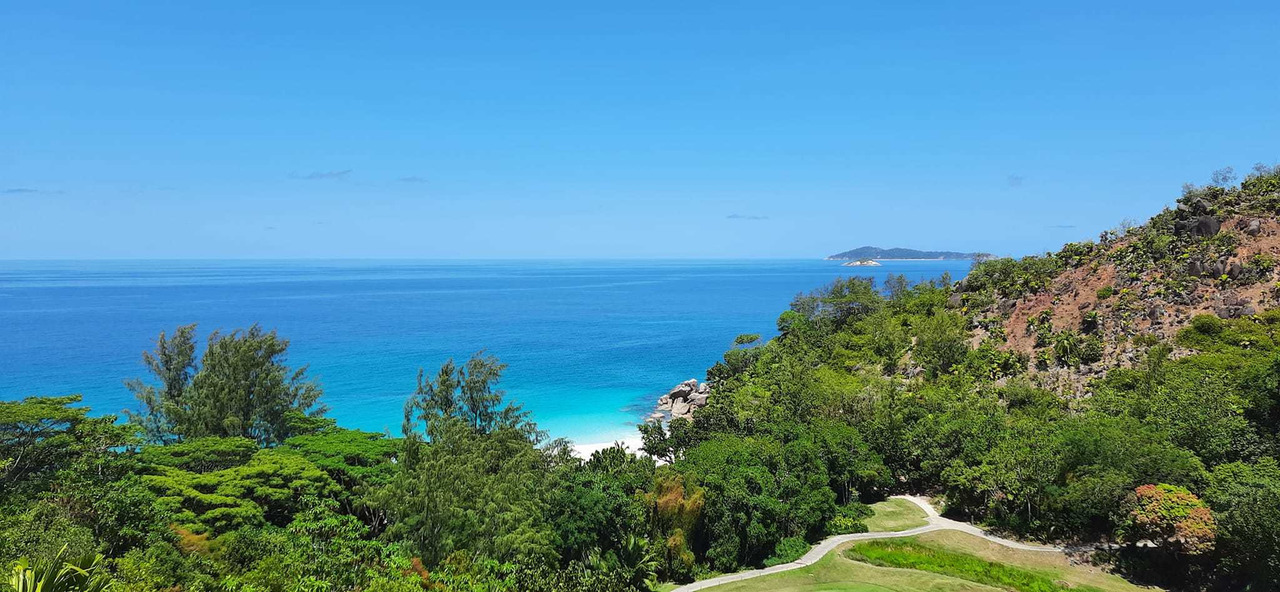
Anse Lazio
The most famous beach on Praslin and a consistent feature in global rankings of the world’s best beaches. Surrounded by granite rocks, with dazzling white sand and exceptionally clear water, it leaves a lasting impression.
Anse La Farine
“La Farine” translates from French as “flour” — an apt name, as the sand here truly resembles powdered sugar.
A beautiful lagoon on Praslin, accessible only by water.
Anse Source d’Argent
One of the most photographed beaches in the world.
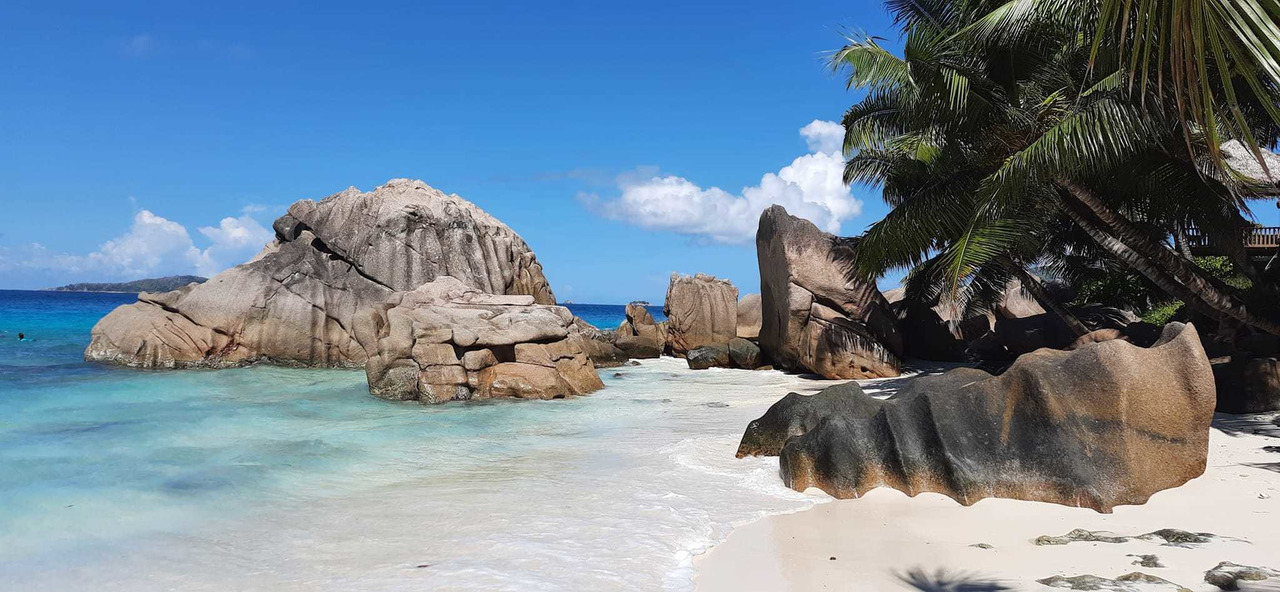
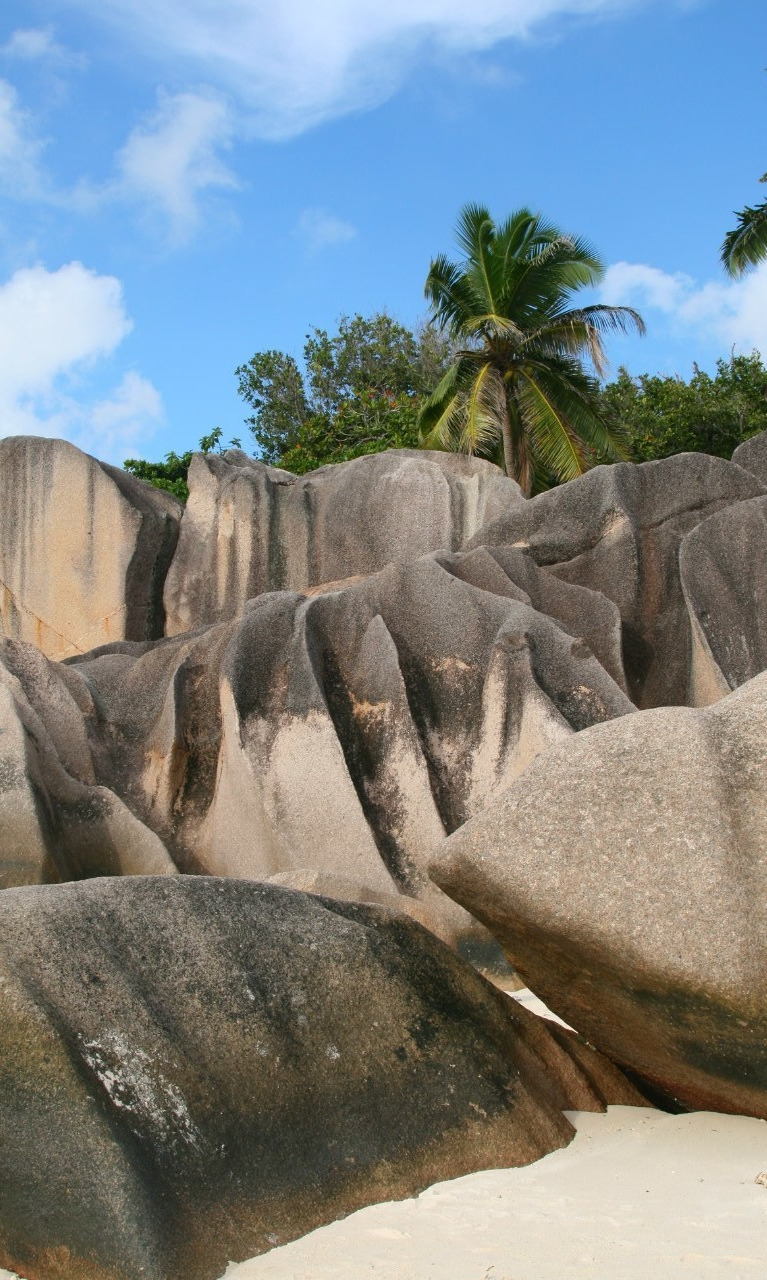
The magic of La Digue lies in a sequence of small coves ranging from 10 to 200 metres in length. Granite boulders appear to rise directly from the sand and water.
In the early morning light, the rocks take on a soft pink hue; by evening, they glow deep red. Visitors come here not only to swim, but also to photograph and snorkel.
White sand, granite formations, and warm transparent waters create ideal conditions for complete relaxation.
Anse Patates
A particularly picturesque beach in the north of La Digue, known for its white sand and intimate atmosphere.
And here, for now, we must pause our journey through the beaches — although once begun, it is very difficult to stop.
Paradise Number One
Let us assume that the reader of this book has already visited the Seychelles and has confidently ticked the archipelago off their list of countries explored.
Or perhaps they are only considering their first journey here.
The Seychelles have far more facets than may appear at first glance. They can reveal themselves in very different ways, surprising again and again. I would like to share a few thoughts on how to approach this precious gem.
1. Thoughtful itinerary matters
A well-designed travel plan has a significant impact on both the quality and depth of impressions.
For example, if one were to spend all fourteen days of a holiday on Beau Vallon Beach without leaving it even once, the original charm of the Seychelles might remain undiscovered. This famous beach has changed considerably over the past five to seven years.
If, however, you visit at least ten other bays — or even better, fifty or a hundred — Beau Vallon becomes a special piece in the larger mosaic of Seychellois experiences.
2. Choosing the right accommodation
Equally important is selecting accommodation that matches your personal idea of rest.
The preferences of a large group of friends seeking active holidays will differ greatly from those of newlyweds or families travelling with young children.
3. Celebrating life’s milestones
If you are planning to celebrate an important life event, doing so in the Seychelles can be both more unusual and more affordable. It also provides a perfectly respectable reason to avoid a large-scale celebration at home — “We left the country.”
Here, it is possible to combine a formal wedding ceremony with a honeymoon. An important day turns into a slow, unhurried celebration without unnecessary stress, allowing you to savour every moment.
The paperwork process is straightforward, and after the ceremony you can rent a car with a driver and arrange a photoshoot in some of the island’s most beautiful locations. It is quite likely that none of your acquaintances will have wedding photographs set against such scenery.
4. Do not overlook Mahé
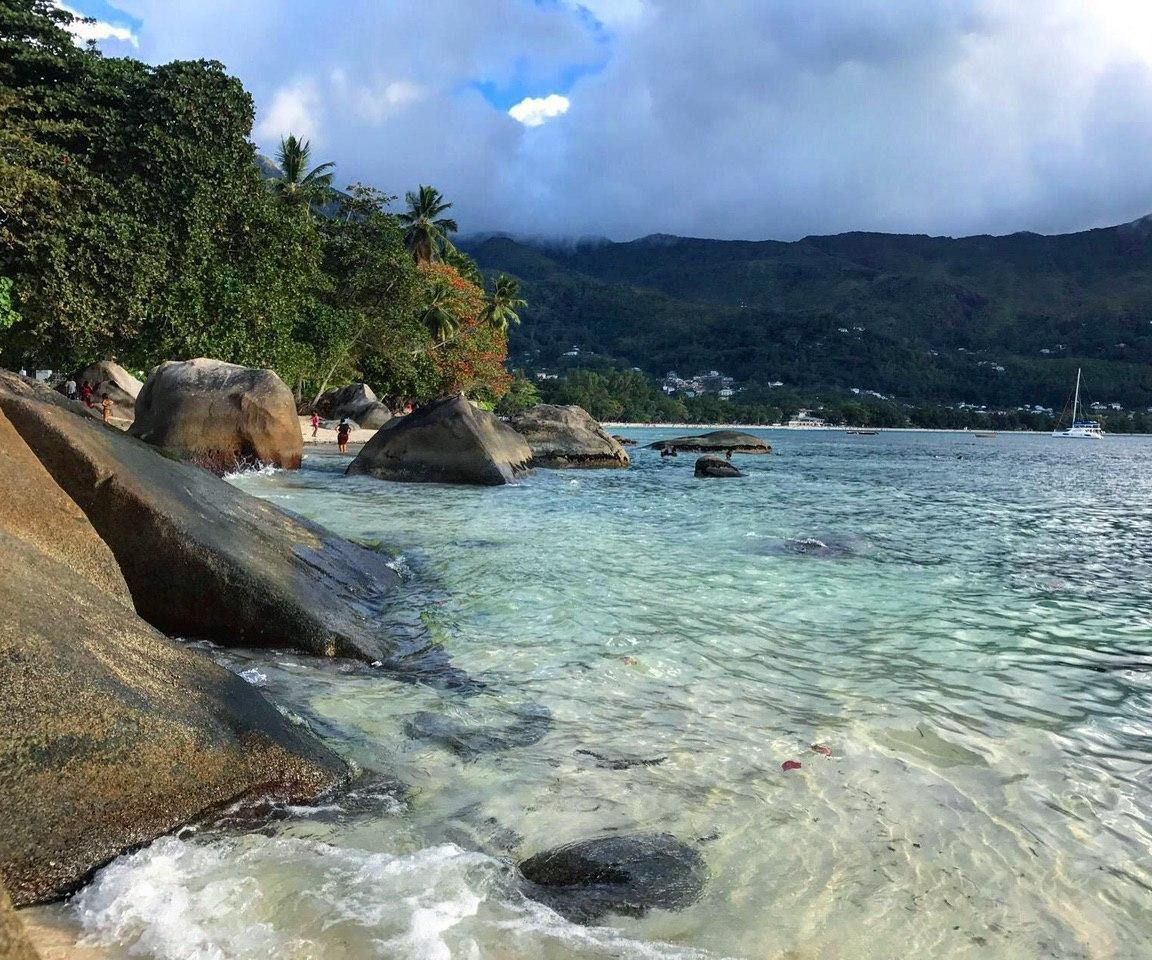
There is a common belief that Mahé is merely a transit island — noisy and not worth staying on — and that one should immediately head to Praslin or La Digue. This view is unfair.
Mahé alone is home to around seventy beaches, as well as numerous attractions, including museums.
To make the right choice with confidence, combine several islands in one trip — at least one of them is certain to capture your heart. No traveller has ever regretted such a decision, even though it requires additional movement.
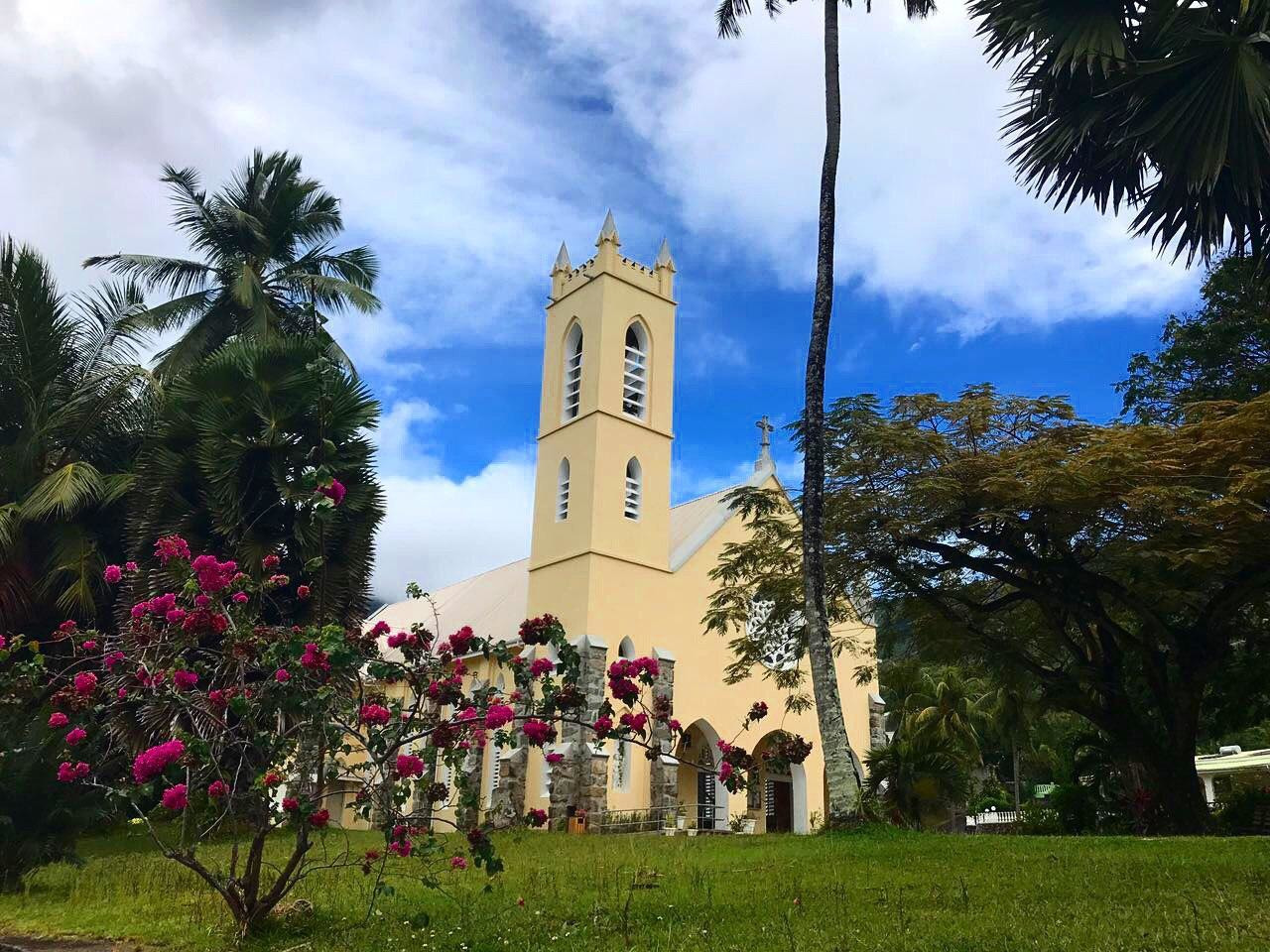
5. Do not fear “three stars”
When planning a trip to the Seychelles, do not be put off by three-star ratings next to hotels or guesthouses. These properties often deserve much more.
They are frequently located right by the ocean, offer everything needed for a comfortable stay, and provide guests with good food, personal attention, and an individual approach — all at very reasonable prices. This is especially true when bookings are made well in advance and peak seasons are avoided.
In this way, you gain greater freedom of choice, access to special offers and discounts, and avoid unnecessary expenses.
There is a separate chapter in this book dedicated to this topic.
6. Aldabra — a destination of its own
Even if you have already been to the Seychelles and are wondering how else to surprise yourself;
or are searching for an extraordinary gift for someone very dear;
or looking for inspiration;
or dreaming of making a film and meeting the inhabitants of the most remote places on Earth —
create a separate entry on your list of goals called “Aldabra.”
The impressions will last a lifetime — perhaps more than one.
This unique atoll is recognised as a UNESCO World Heritage Site, where rare biological processes and exceptional natural phenomena can be observed.
7. More than a beach holiday
The Seychelles are not limited to classic beach relaxation, as is often assumed.
Each day can be filled with so many activities that there may be no time left even to read a magazine by the sea: sightseeing tours (each of which can be broken down into smaller excursions), museums, big-game fishing, golf, diving, snorkelling, surfing, mountain hikes, visits to beaches accessible only from the ocean, restaurant tastings, tours of local rum production — and much more.
8. A place to spend the colder months
If the arrival of autumn, winter, and cold brings melancholy, and your circumstances allow you to live and work from anywhere in the world — consider spending this time in the Seychelles.
You do not have to stay in a hotel: apartments, houses, and villas are available for rent. This is a wonderful way to see the country not from a tourist perspective, but from within local daily life.
You will come to appreciate the warmth and friendliness of the Seychellois. Their live music performances alone are worth mentioning — the creative talent of local musicians rarely leaves anyone indifferent.
9. Two journeys in one
Divide your trip into two parts by combining a hotel stay on one of the islands with a cruise within the archipelago. You will see the Seychelles in a way you never have before.
And if this is your first visit — one can only envy you kindly. The islands’ beauty takes your breath away even as the plane begins its descent, the moment its wheels touch this paradise.
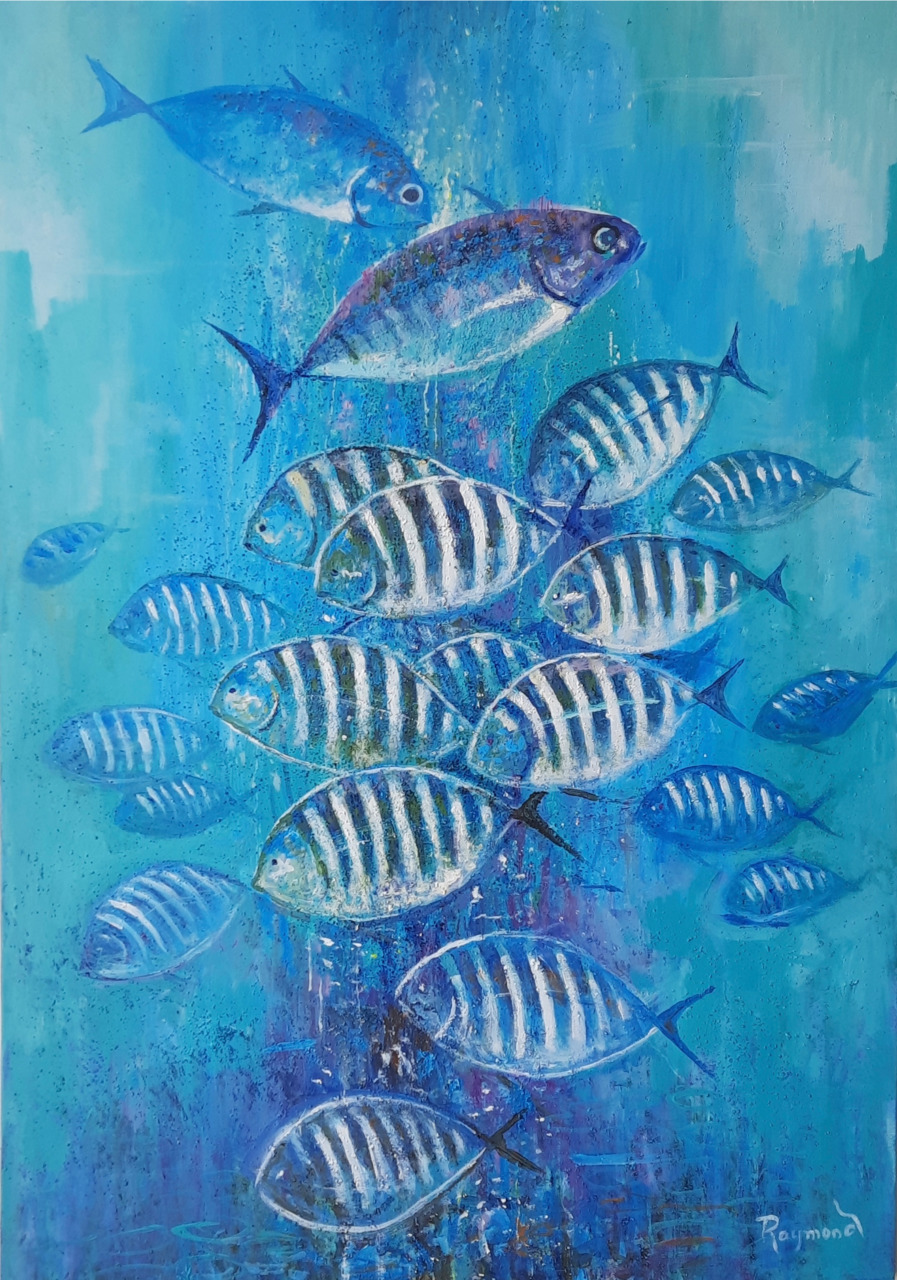
The Secrets of the Seychelles
There is a unique monument in the world called Twa Zwazo — “Three Birds.”
It symbolises unity between Europe, Africa, and Asia. Twa Zwazo stands in Victoria, the capital of a small island nation that offers a remarkable example of how friendly relations can be maintained with all the countries connected to its long and unusual history.
If one follows the map south from the Arabian Peninsula toward Madagascar, small islands can be spotted in the Indian Ocean — named after the French Minister of Finance Jean Moreau de Séchelles.
Solomon’s Nut
Long ago, ocean waves carried enormous, unusually shaped nuts to the shores of India, Ceylon, the Maldives, and even Malaysia. No one knew what they were — fruit or mineral? Where did they grow, and where did they come from?
This natural wonder was named “Solomon’s Nut” or “the sea coconut” and was believed to possess healing properties. Its value was extraordinary: rulers were willing to exchange an entire merchant ship for a single nut.
The Holy Roman Emperor Rudolf II dreamed of acquiring one, even considering paying for it with the ransom of a captured city.
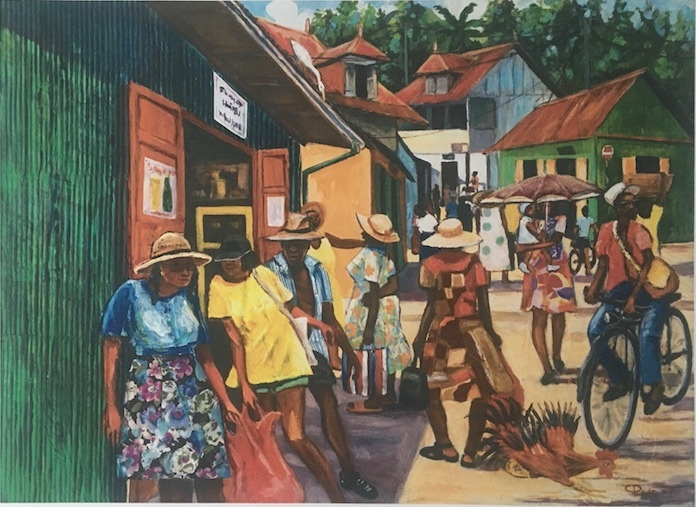
Only in the mid-18th century were palm trees bearing these nuts discovered on the island of Praslin. The mystery of Coco de Mer was finally solved.
Early Traces
The earliest references to the Seychelles date back to 851 AD. An Arab navigator, carried by monsoon winds on a single-masted vessel, was diverted from India toward Africa. He named the islands Sea of Zanj, meaning “Sea of the Black People.”
In 916, the geographer Abu Zayd al-Hassan referred to mountainous islands in the Indian Ocean, located “far beyond the Maldives.” This description clearly evokes the image of granite islands rising on the horizon.
The Arabs called them Zarin — “The Sisters.”
Treasure Islands
Much later, Vasco da Gama passed the Seychelles in 1502, and the first documented European visit dates to 1609. Portuguese maps from 1544 refer to the islands as “The Seven Sisters.”
The islands Petite Soeur and Grande Soeur still carry these names today.
For many years, the Seychelles served as a refuge for pirates. Among the most famous were Olivier Levasseur in the early 17th century and Jean-François Hodoul at the turn of the 18th and 19th centuries.
The archipelago offered ideal conditions: isolation, an absence of permanent settlements, numerous sheltered bays, a warm climate, fresh water sources, abundant food, and timber for ship repairs. All of this drew pirates like a magnet.
After a daring attack on a ship carrying the Viceroy of India and a treasury, the French and British decided to cooperate in order to suppress piracy in the region.
The First Settlements
The French became the first permanent settlers on the Seychelles.
In 1756, an expedition led by Corneille-Nicolas Morphey arrived with the aim of formally claiming the islands for France.
On 1 November, the French flag was raised on Mahé, and two years later the islands were officially named in honour of Jean Moreau de Séchelles.
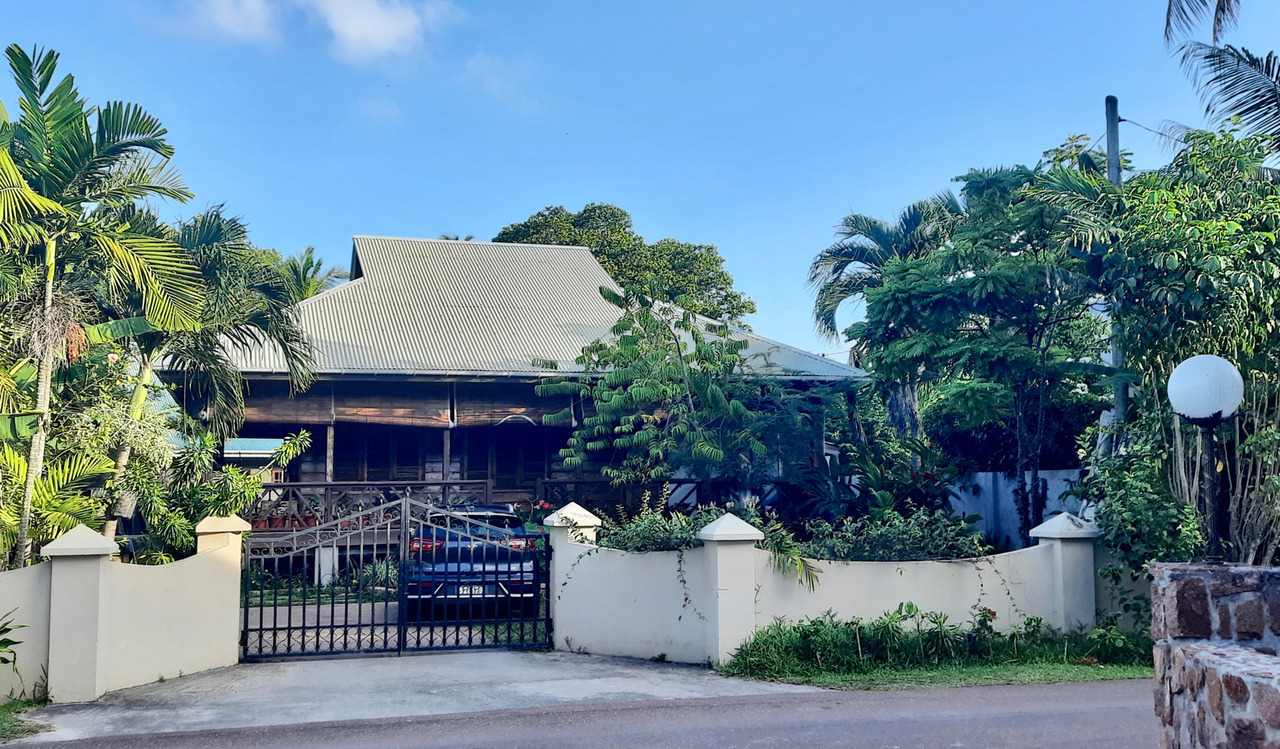
The “Father of the Seychelles”
The late 18th and early 19th centuries are closely associated with Governor Quéau de Quincy, who is still referred to as “the father of the Seychelles.”
At the time, Britain and France were at war. In 1794, British ships approached Mahé. With limited forces at his disposal, de Quincy assessed the situation and chose to surrender, avoiding bloodshed.
For the next seventeen years, depending on which warships entered the port, either the British or French flag would be raised — and lowered again once the ships departed.
Through this pragmatic approach, Mahé alternated between British and French control, while major conflicts were avoided.
In 1814, together with Mauritius, the Seychelles became British possessions. It was then that the letter “y” appeared in the country’s name — previously spelled Sechelles.
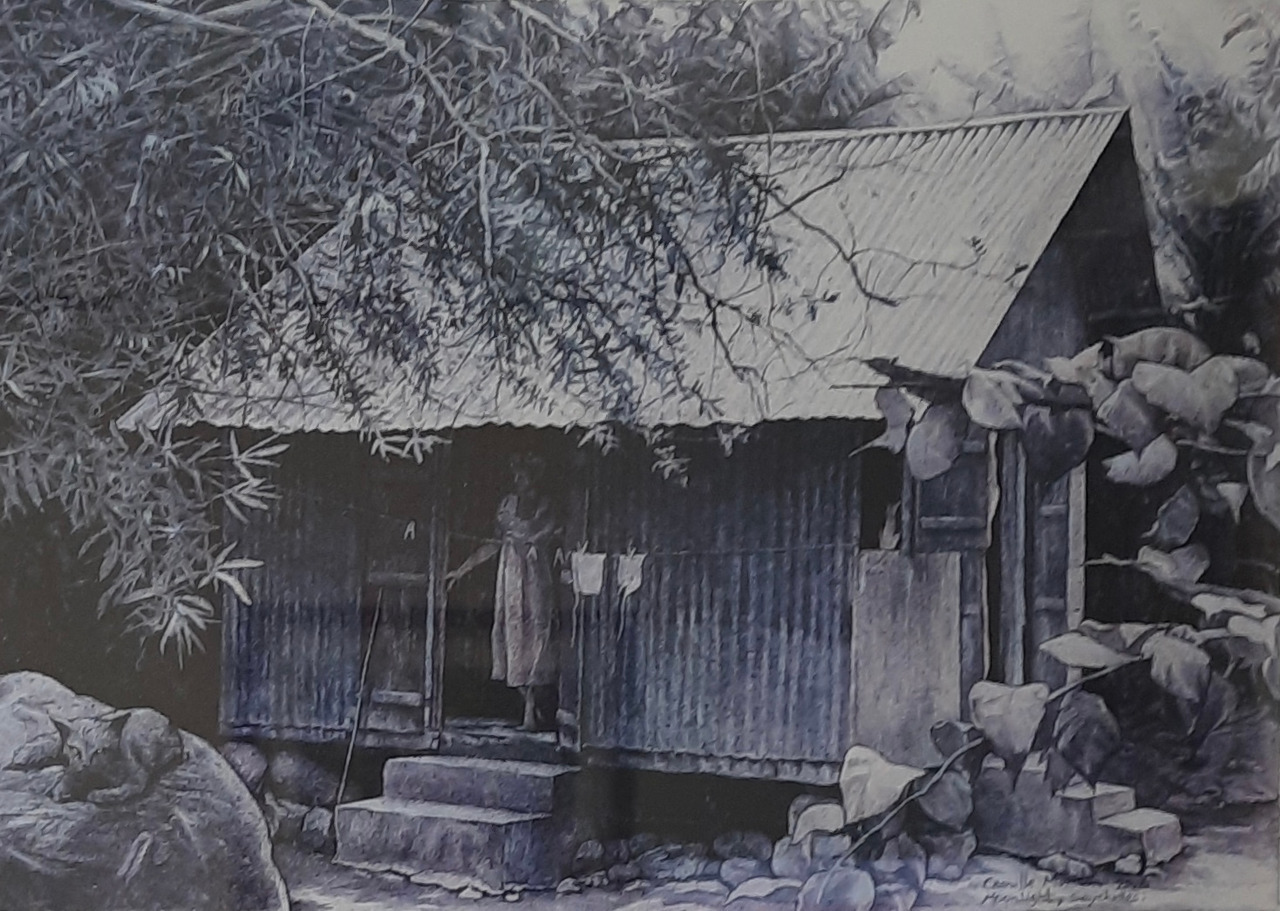
Between 1861 and 1874, approximately 3,000 formerly enslaved people, rescued by the British from Arab slave ships, were brought to the Seychelles and became new residents of the archipelago.
In 1897, the islands were administratively separated from Britain and became a colony of the British Crown.
Towards Independence
The First World War caused significant economic damage to the Seychelles, and recovery was slow, with improvement beginning only around 1936.
After the Second World War, British authorities increasingly considered granting independence to African colonies in order to reduce the financial burden of overseas administration.
Agreement was reached only in January 1976, following negotiations that included financial support from the United Kingdom during the early years of independence.
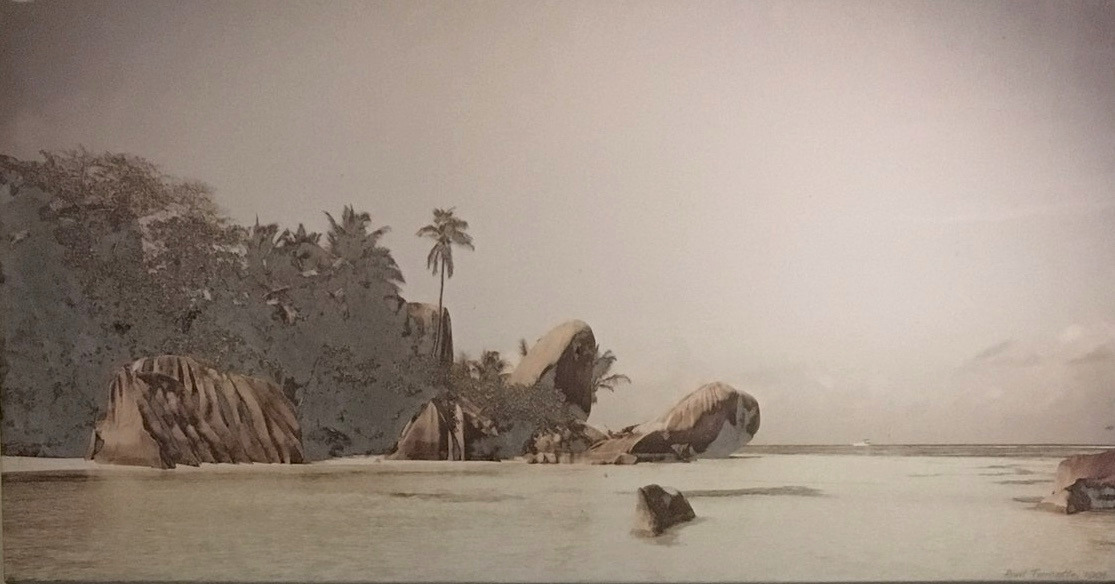
On 29 June 1976, the Republic of Seychelles was officially proclaimed.
Cold War Crossroads
During this period, the Indian Ocean region also attracted the attention of the Soviet Union, which sought strategic presence in East Africa. Closer relations became possible after France-Albert René came to power in 1977, replacing the pro-British leader James Mancham.
In the autumn of 1977, a Soviet naval vessel visited the Seychelles — the first such visit in the country’s history.
In 1984, a Soviet delegation led by Rear Admiral Mikhail Abramov arrived, and agreements were reached regarding port access and aircraft landings. At the same time, it was diplomatically emphasised that Seychelles maintained strong ties with Western Europe and the United States, and these arrangements were kept discreet.
The Soviet Union provided financial and military assistance, including training for Seychellois forces.
Later, military advisers from various countries — including Tanzania, North Korea, the United Kingdom, Portugal, and the United States — were also involved in training and cooperation.
Through careful diplomacy, the Seychelles succeeded in maintaining constructive relations with all major world powers.
A Place of Balance
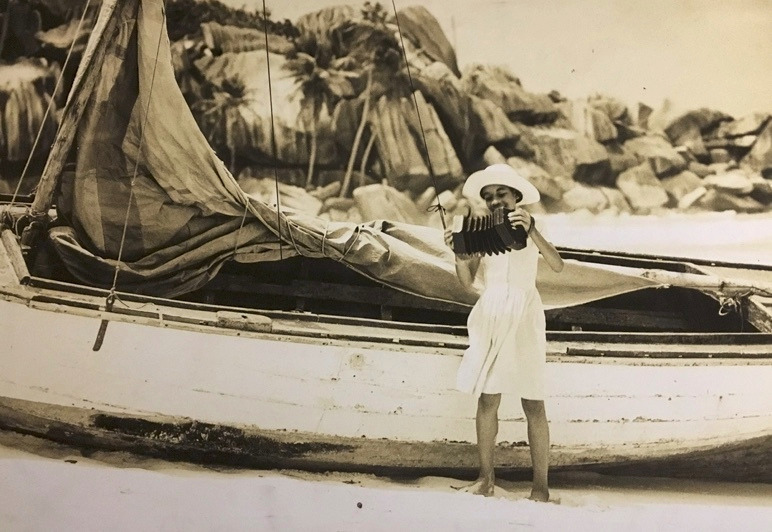
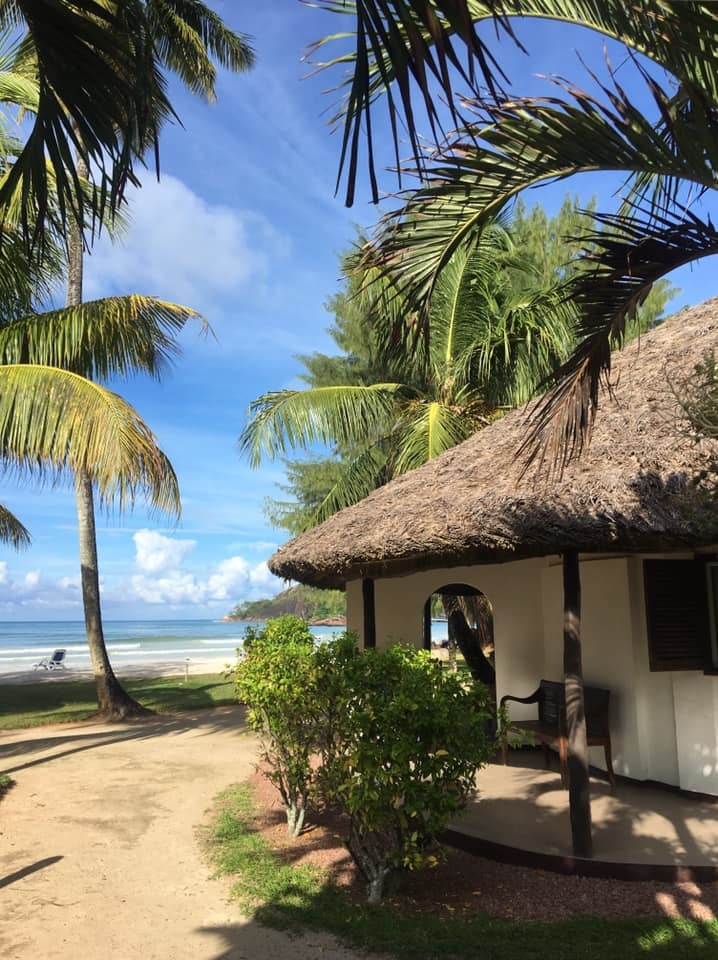
The islands’ unique beauty — their colours, energy, warm and safe ocean, and even the air itself — creates a deep sense of calm and joy.
Perhaps this is the secret behind the Seychelles’ ability to serve as a model of diplomatic balance in a complex global history.
It is simply very difficult to remain in a bad mood here — at least for more than a minute.
Kaleidoscope of islands
The inner islands
The Inner Islands — the main ones being Mahé, Praslin, and La Digue — form the cultural and economic heart of the Seychelles and remain the most popular with visitors.
Mahé
Mahé is the largest island of the archipelago. It is home to the international airport and to Victoria, the capital of the country. The government sits here, and it is the main centre of trade. Around 90% of the population lives on Mahé.
Mahé has a thousand mountain peaks, and its flora is a true treasure: endemic plants found nowhere else in the world.
Many excursions start from Mahé, yet the island itself has an abundance of attractions and beaches.
Praslin
Praslin is sometimes affectionately called Praslé, in the French manner. It is the second-largest island of the Seychelles, located 45 km southeast of Mahé.
It is known worldwide for the Vallée de Mai, a UNESCO reserve — the only prehistoric forest preserved on the planet.
In the mid-19th century, the island’s northern coast — Côte d’Or — was a favourite area for pirates. The island was named after the Duc de Praslin, France’s Minister of the Navy, in 1768, when the Stone of Possession was placed on Anse Possession beach as a formal marker of ownership.
A century and a half later, scientists put forward a hypothesis that the Vallée de Mai may be the location of the Garden of Eden, where Adam and Eve lived.
This untouched forest is home to the famous Coco de Mer palm, which bears the world’s largest nuts — striking in both size and shape — as well as several other palm species found only in the Seychelles.
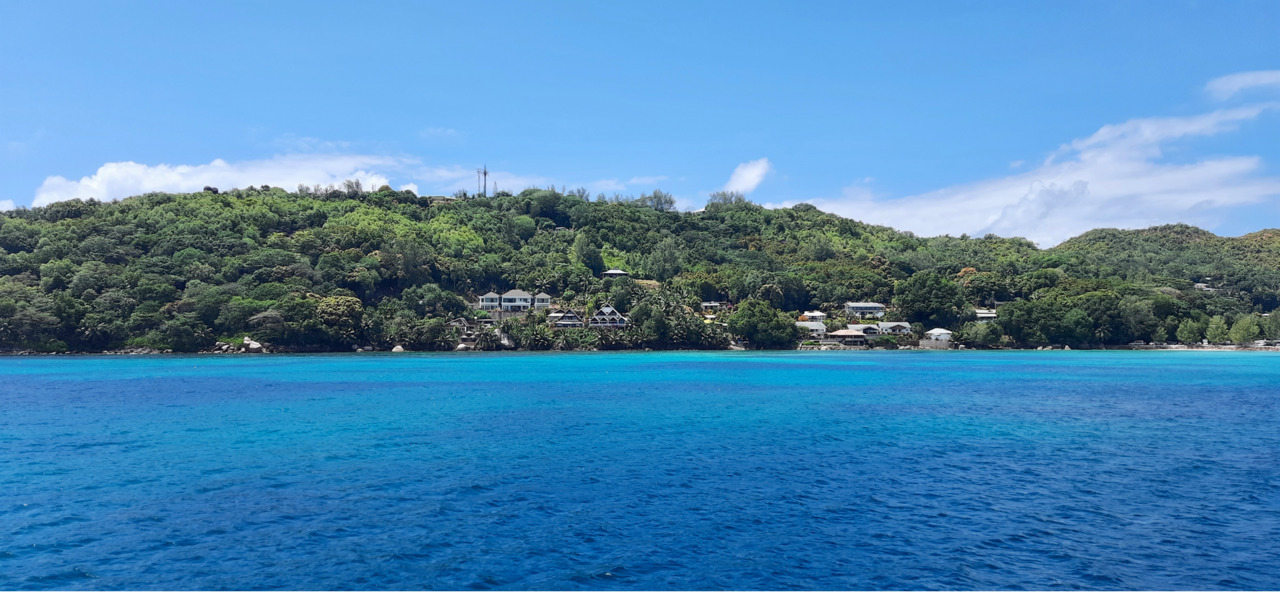
La Digue
La Digue is the fourth-largest island, a neighbour of Praslin and also of Félicité, Marianne, and the Sisters. Its name comes from one of the ships of a French expedition that arrived to study the granitic islands in 1768.
La Digue is home to the Seychelles Paradise Flycatcher — one of the rarest birds in the world — as well as two unique species of tortoises and other representatives of local fauna.
In the island’s forests you will find many orchids, vanilla vines, Indian almond trees, takamaka, hibiscus, and coconut palms.
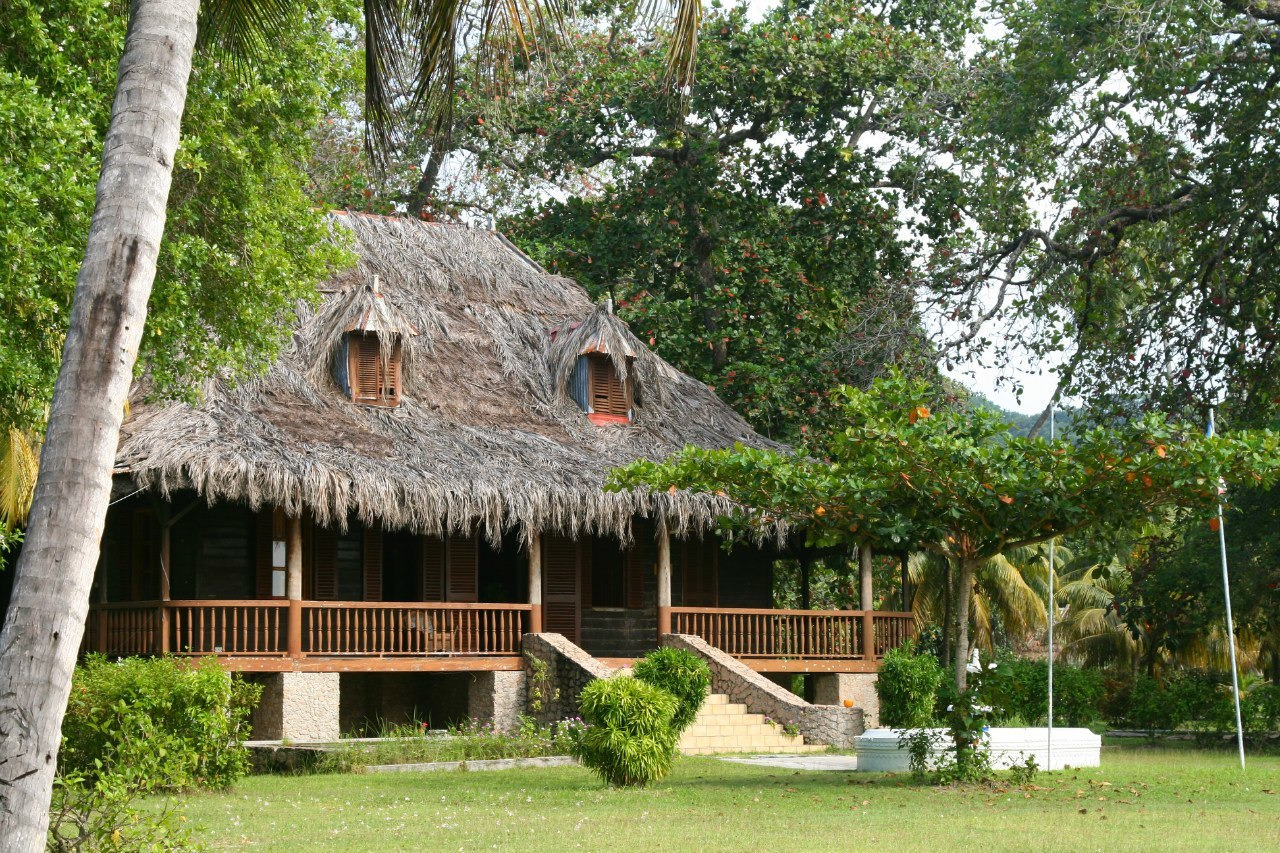
This is an island where time seems to slow down. The tradition of cycling remains strong, and ox-drawn carts can still be seen. Traditional boat-building methods and the processing of coconut products are still practised here.
Visitors remember the exceptionally friendly atmosphere of this unique island, the L’Union Estate reserve, and beaches ideally suited to snorkelling and diving — including the legendary Anse Source d’Argent.
Bird Island
The northernmost island of the archipelago is about a 30-minute flight from Mahé. Once, Bird Island was called Cow Island, because dugongs — “sea cows” — lived there.
Thousands of rare birds consider this island home, and whales can sometimes be spotted nearby.
Bird Island is also home to Esmeralda, the world’s largest tortoise, weighing up to 300 kilograms and living for over 200 years.
Tourism began to develop here in the early 1970s, and since then great importance has been placed on environmental protection.
In addition to birdlife, guests will find an eco-hotel made up of 24 unusual bungalows, beautiful beaches, excellent food, a warm atmosphere, and strong opportunities for snorkelling, fishing, and quiet contemplation of nature.
Cerf Island
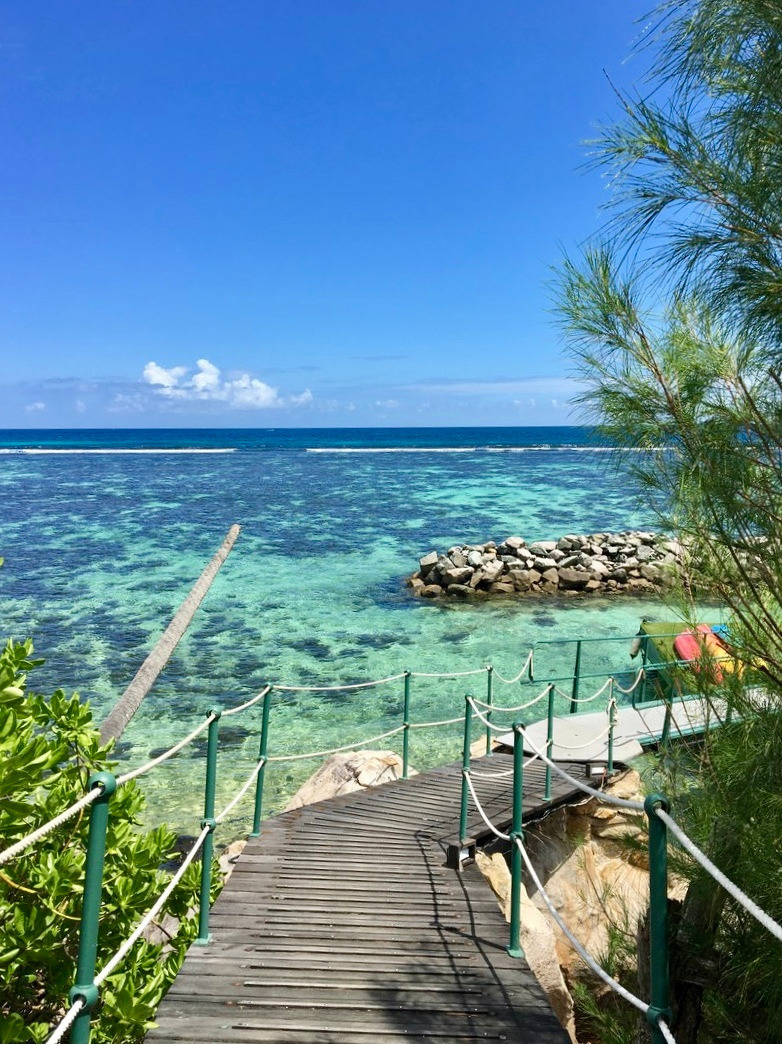
Cerf, Mahé’s closest neighbour (only 4 km away), lies within the Sainte Anne Marine National Park and offers excellent conditions for swimming and snorkelling.
It is a wonderful place to sunbathe, picnic, and wander along small trails — Cerf has no paved pedestrian roads.
The island took its name from a frigate that arrived in 1756 as part of an expedition intended to claim the Seychelles for France. Traces of a once-developed coconut-growing industry can still be seen in its lush groves.
Cerf is home to exotic shrubs, giant tortoises, and fruit bats. There are several hotels and private villas on the island.
Chauve Souris
A small island located a few hundred metres from Côte d’Or beach on Praslin. At low tide, it can be reached on foot through shallow water.
Its name comes from the fruit bat species found here; in the past it was also known as Jeanette Island.
Due to its formation, granite rocks dominate the landscape. The flora consists largely of ornamental plants and shrubs. The fauna includes skinks, geckos, and some bird species.
There is a small hotel here with only six rooms, built around the rocks.
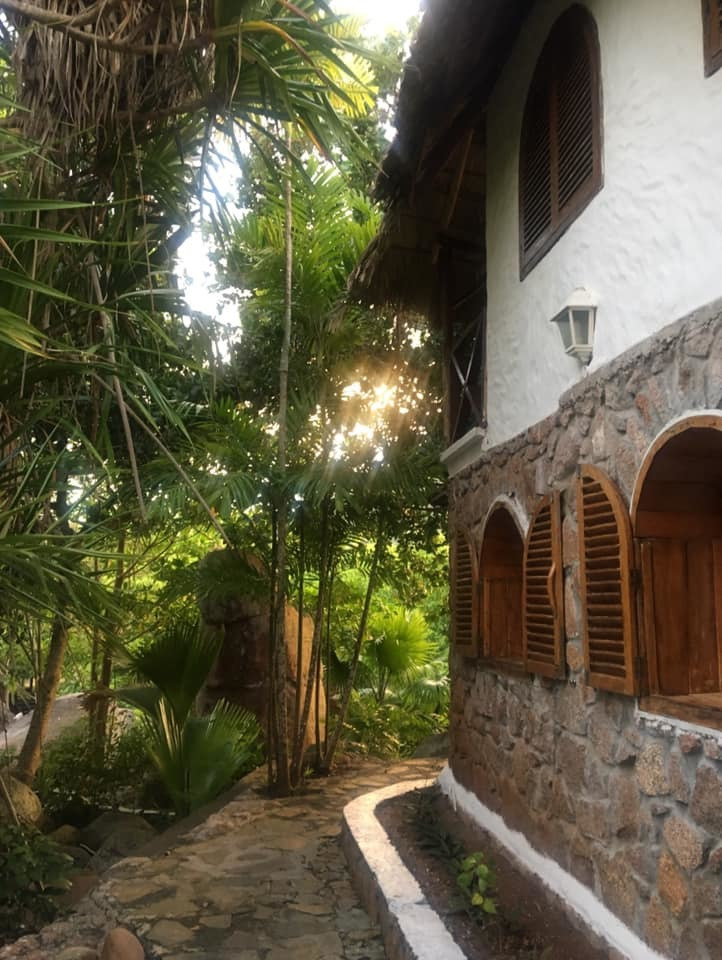
Cousine
Located 6 km off the western coast of Praslin, Cousine is a unique island where complete seclusion is possible. There are very few places like it in the world: a nature reserve, home to endemic birds and giant tortoises, rich in distinctive fauna and marine life.
Once a coconut plantation, Cousine is now home to a luxury resort with five villas built in a colonial style.
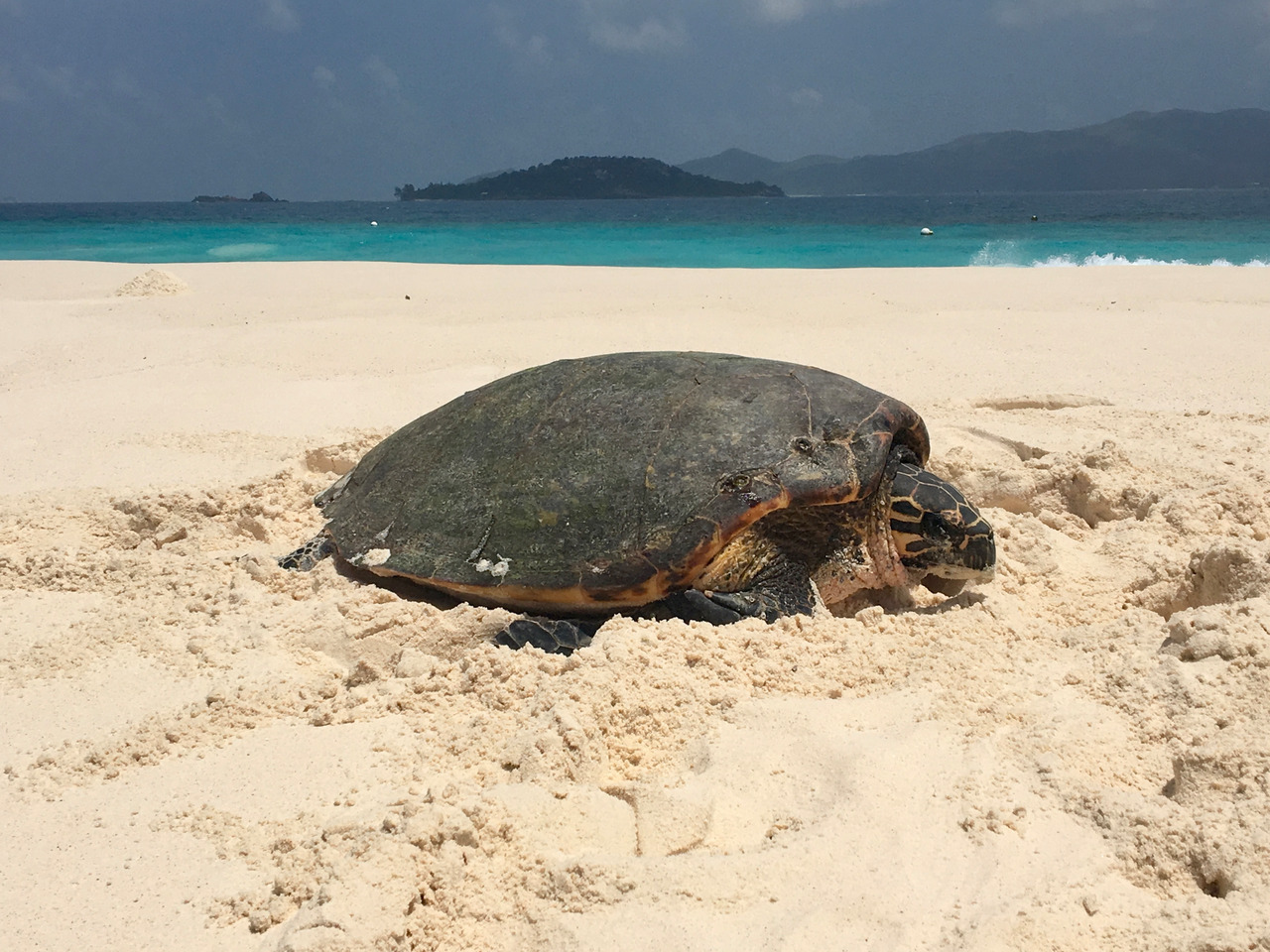
Denis Island
Situated 95 km north of Mahé and 45 km east of Bird Island, Denis is one of the northernmost islands of the archipelago.
Like many islands, Denis was once a plantation, with a population of 70–100 people. In 1975, it was bought by a French magnate, Pierre Burkhart, who turned Denis into an immensely popular resort under the slogan “an island at the edge of the world.” In the mid-1990s, Denis was sold to the first tour operator to appear in the Seychelles.
Denis has exceptionally lush vegetation and is home to many seabirds and land birds.
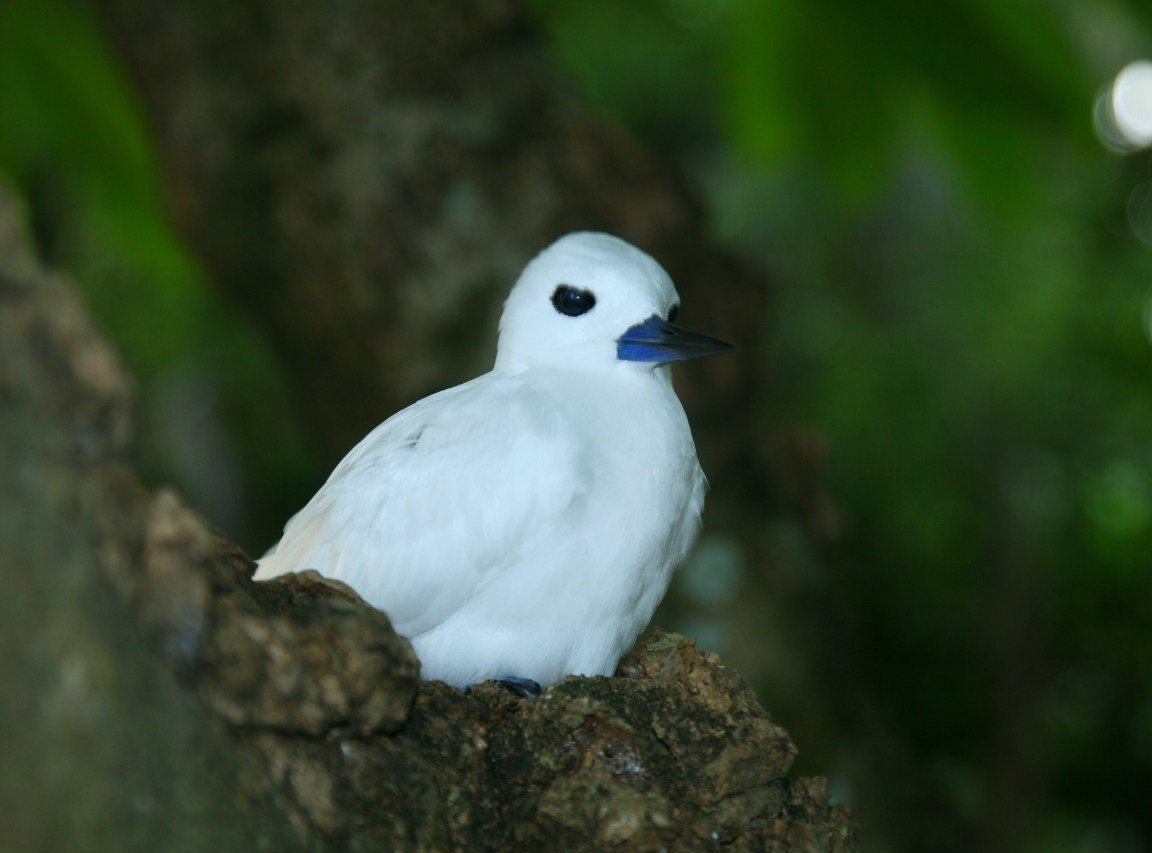
It is a paradise for both beginner and experienced anglers: marlin, barracuda, dorado, tuna, and wahoo can be found here.
Denis offers walks along trails, tennis, diving, and windsurfing — and, of course, sunbathing and swimming on dazzling white beaches, while staying in a five-star deluxe resort made up of 22 chalets, denying yourself nothing.
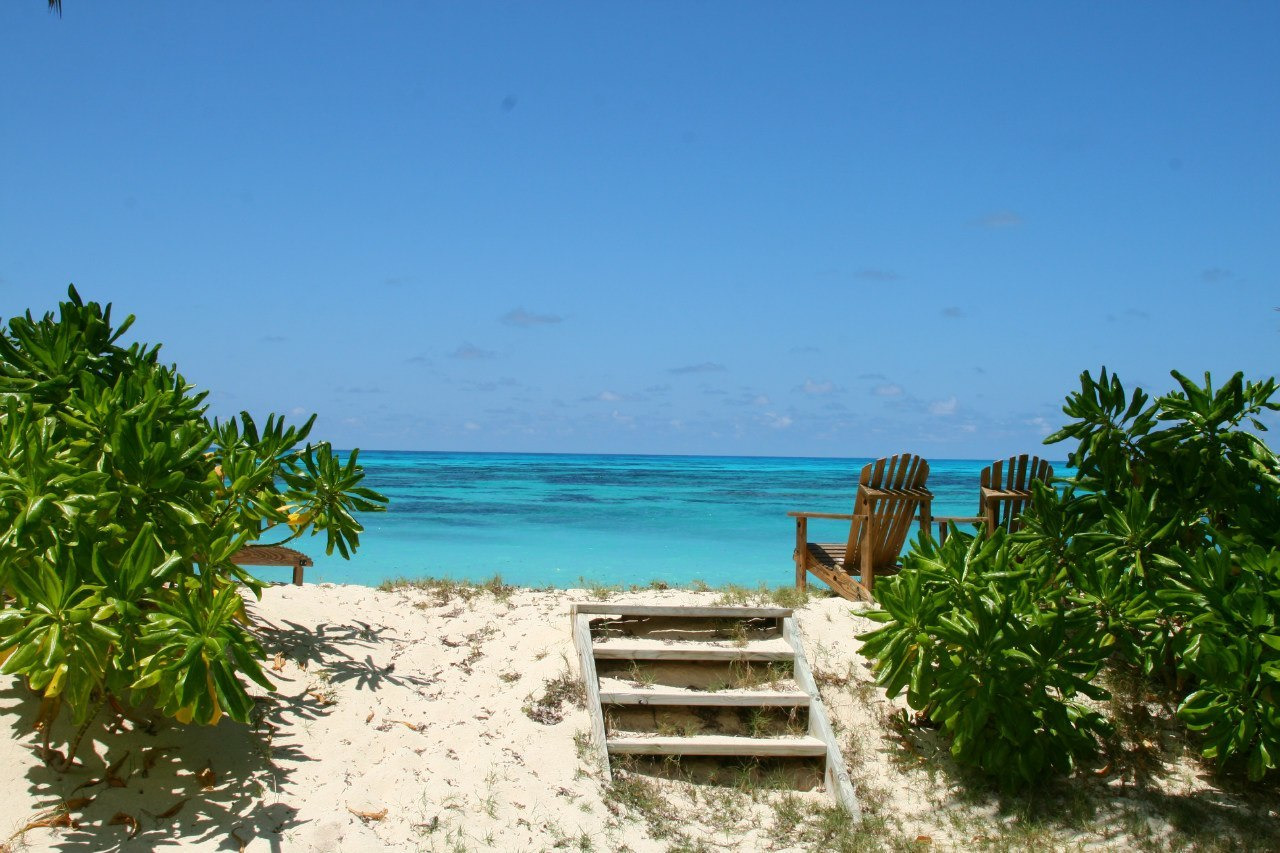
Fregate
Fregate is the most distant granitic island from Mahé. The name is associated with a well-known pirate who appears in 17th-century history.
The island once served as a refuge for pirates who hid stolen treasures there.
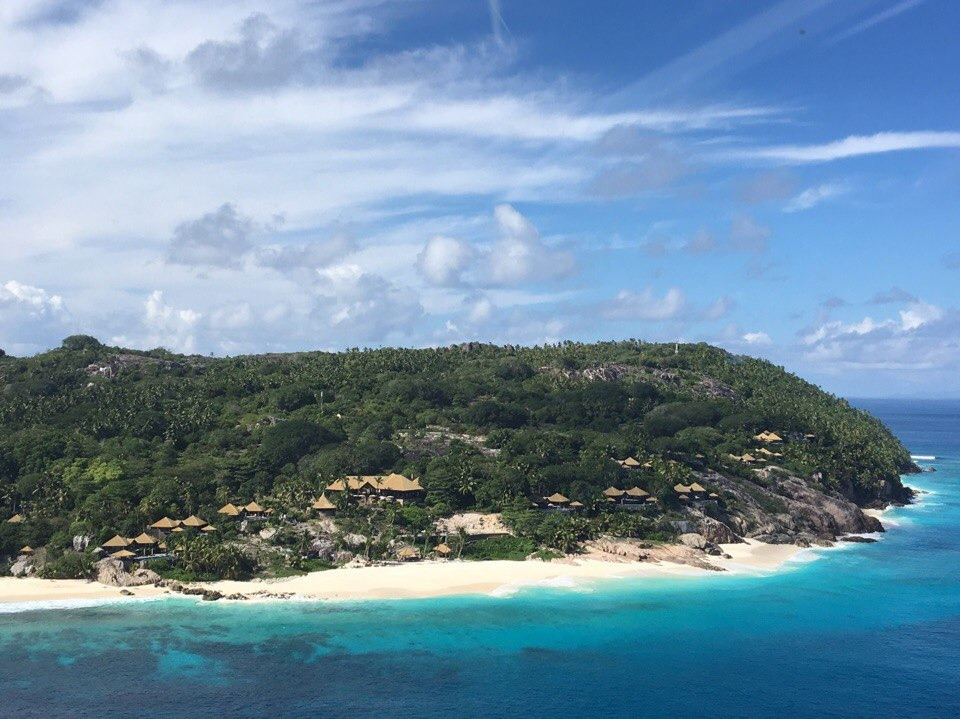
After the Second World War, a Seychellois magnate bought the island and turned it into a place where vegetables, fruit, coffee, vanilla, cinnamon, and poultry were produced for sale in Mahé’s markets. At that time, around 100 people lived on Fregate.
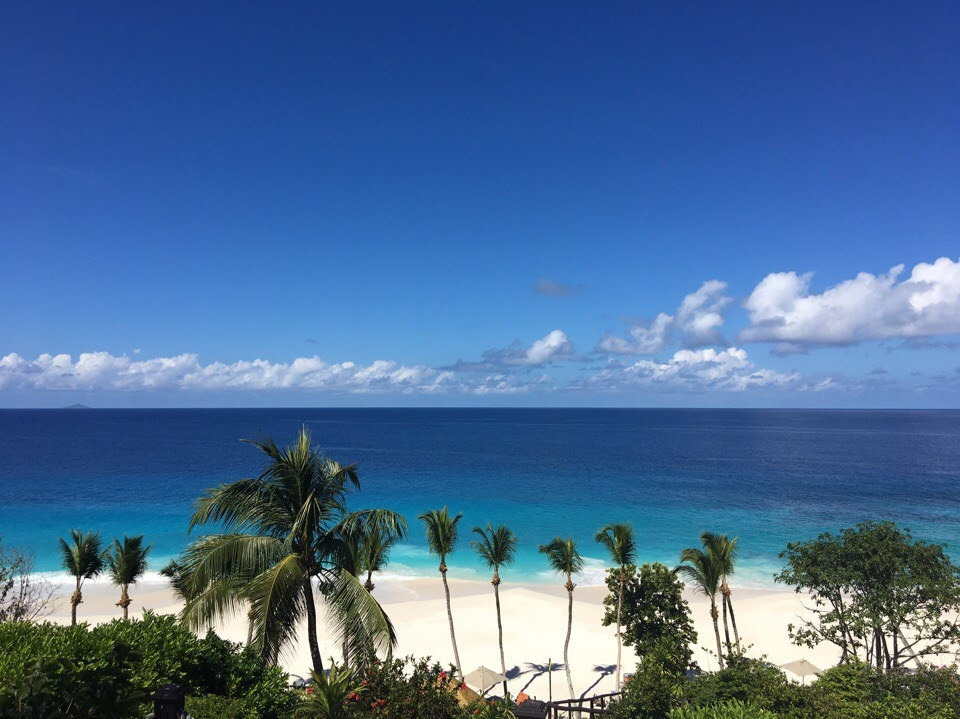
The island is home to more than 50 species of rare birds, as well as giant tortoises. Today, its famous hotel — among the finest not only in the Seychelles but in the world — is a favourite holiday destination for many celebrities.
North Island
Located a few kilometres from Silhouette, North is the smaller of the two islands visible from Beau Vallon beach.
North was among the islands sighted in 1609 during Captain Alexander Sharpeigh’s expedition. With some of the most fertile soil in the Seychelles, North was once settled by people growing vegetables, working coconut plantations, and engaged in fishing.
In 2003, a resort of 11 villas opened here. Today, North is considered the most expensive place to stay in the Seychelles.
Round Island (near Praslin)
This island lies on a coral reef at the entrance to Baie Sainte Anne. Visitors are welcomed by a lagoon ideal for snorkelling.
The diving here is particularly rewarding, revealing the diversity of marine life. Until 2015, there was a private resort on the island; it is not currently operating.
Silhouette
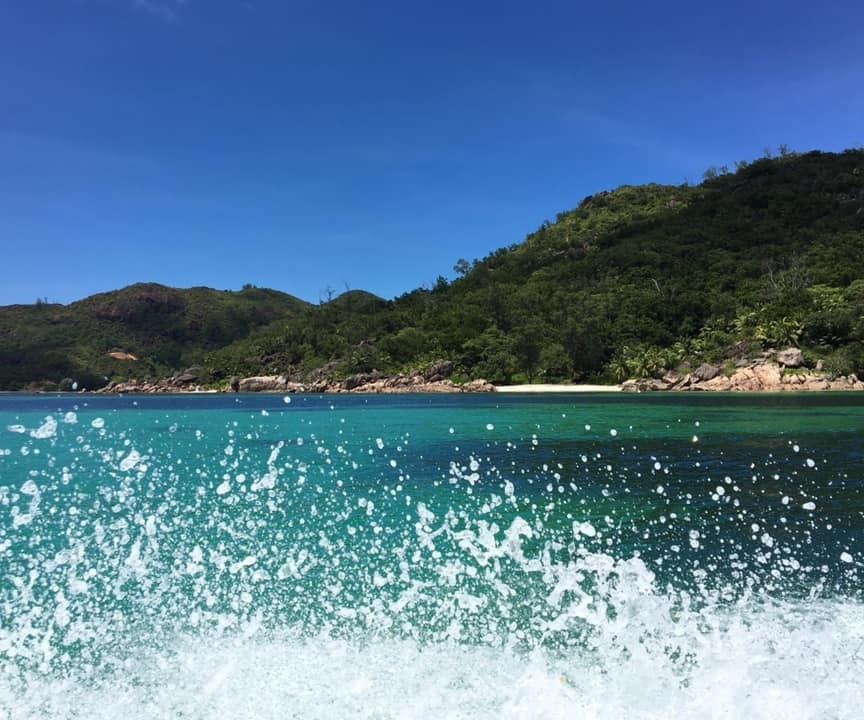
The third-largest island of the archipelago lies 30 km from Mahé, near North Island. It is the island most clearly seen from Beau Vallon, often with a small cloud resting above its mountain peak.
It is likely that Arabs used Silhouette as a base as early as the 9th century — ruins of Arab graves at Anse Lascars suggest this. Silhouette was among the first islands recorded during Sharpeigh’s expedition in 1609, yet the first permanent settlement appeared only in the early 19th century.
The island is under nature protection in the Seychelles and can be thought of as a living museum of natural heritage, home to unique plants.
Silhouette’s highest point is Mont Dauban, at 731 metres. The island’s pristine beauty and history draw visitors who wish to explore the legends of the pirate Hodoul, said to have hidden treasures here.
Silhouette is home to the five-star resort, built on the site of the island’s first hotel, which had only 12 rooms, as well as a stylish lodge and a National Geographic station.
Sainte Anne
The largest island in the Sainte Anne Marine National Park lies just 4 km off Mahé’s eastern coast, near Cerf, Round, Moyenne, Long, and Ile Cachée.
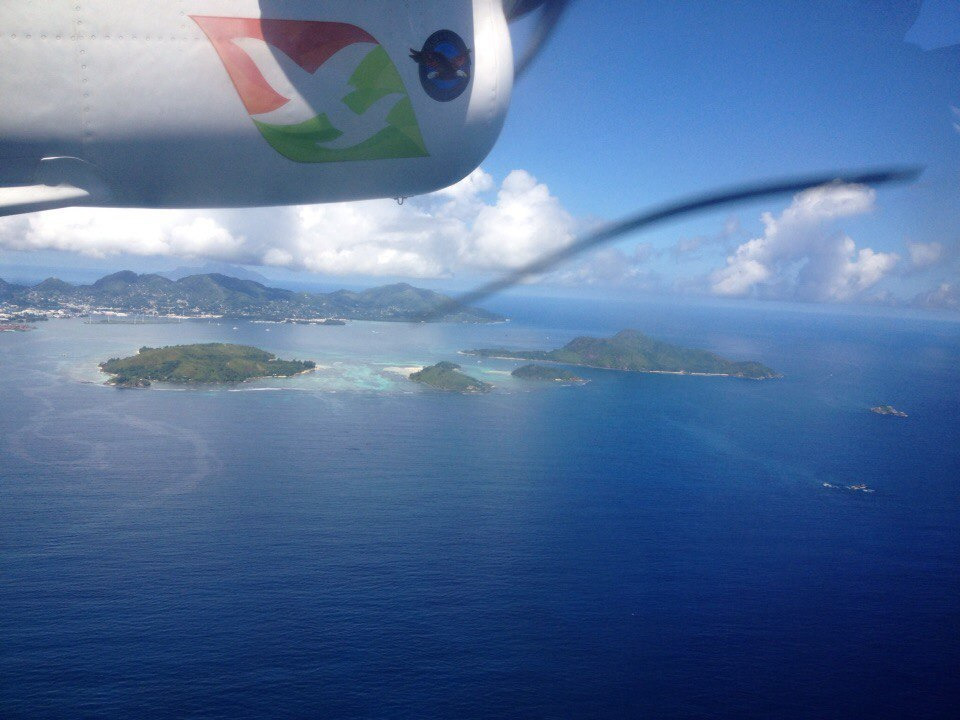
Discovered in 1742 by the well-known explorer Lazare Picault, Sainte Anne was the first island where the French landed before settling on Mahé.
Félicité
Located 4 km from La Digue, near the Sisters, Marianne, and Île Coco, Félicité is a picturesque granitic island.
Until the 1970s it was a coconut plantation with a population of about 50 people. In the 19th century, the Sultan of Perak is said to have spent five years on Félicité before returning to Mahé.
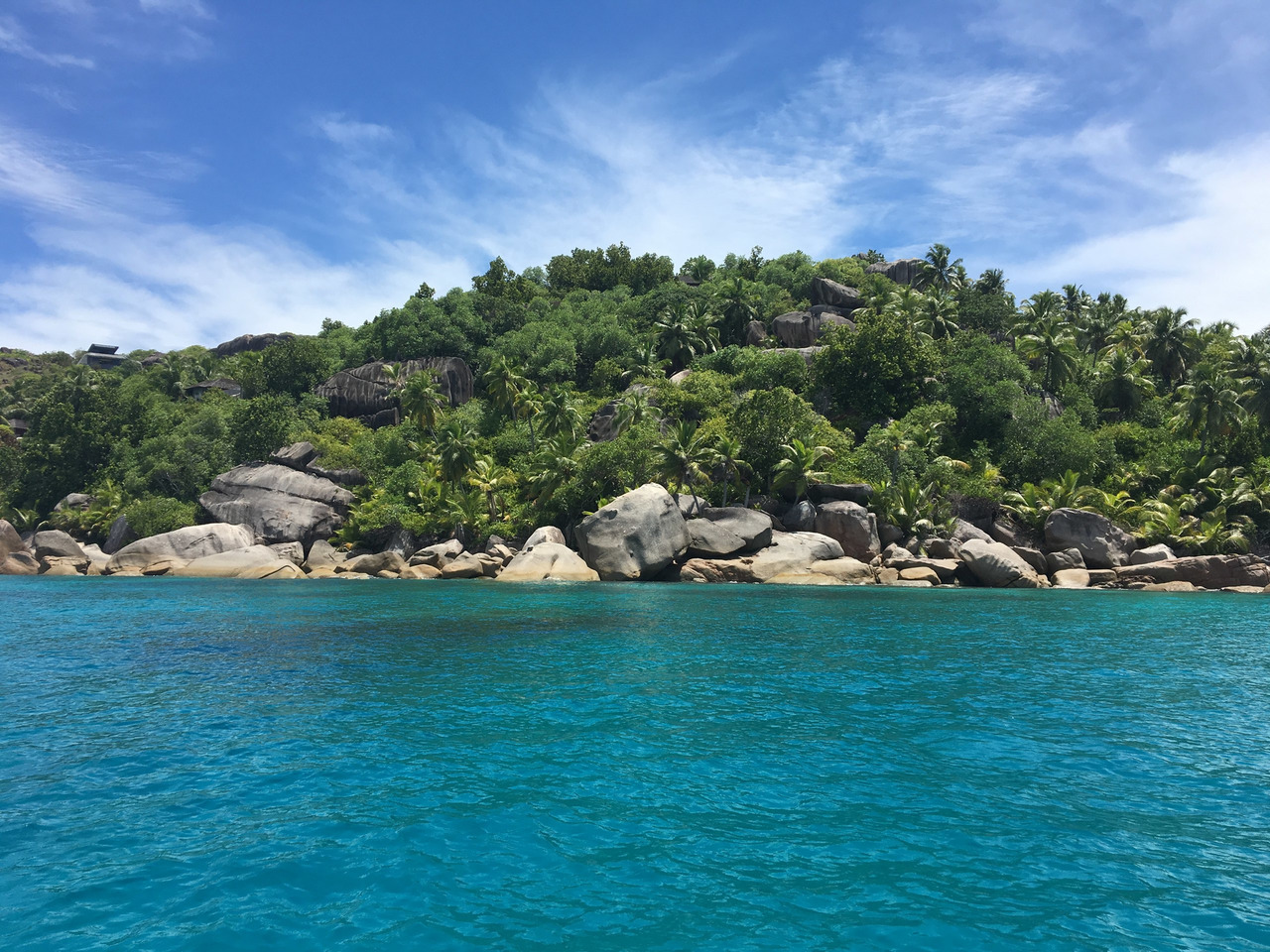
Today, a five-star resort operates here.
Бесплатный фрагмент закончился.
Купите книгу, чтобы продолжить чтение.